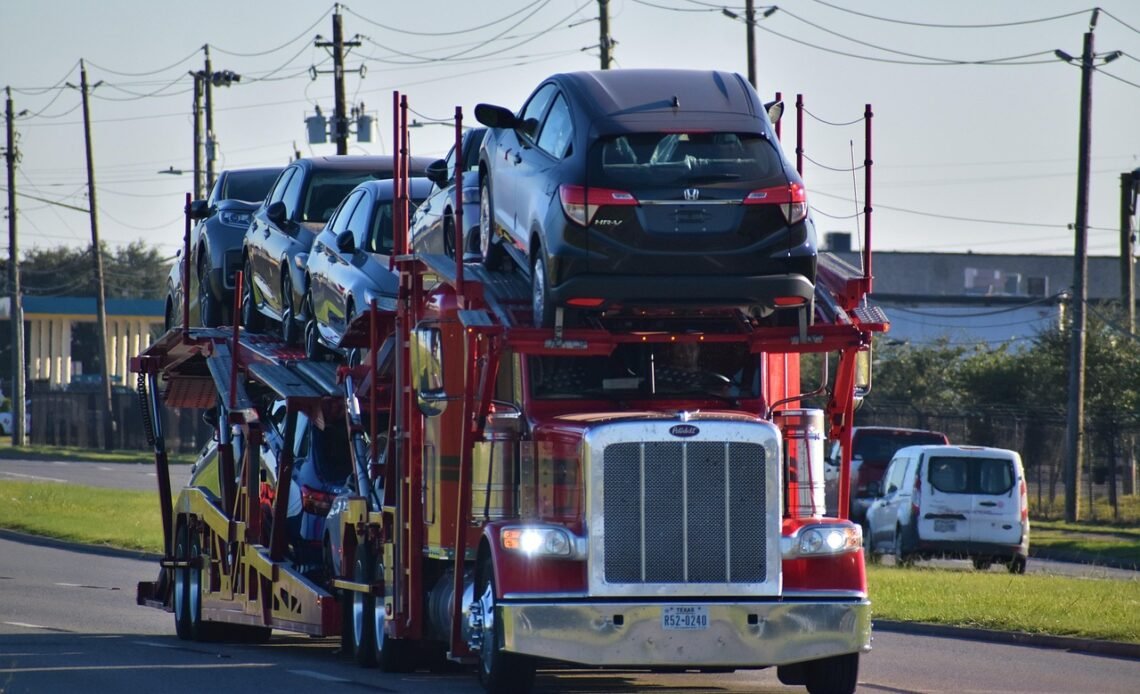
Relocating to a new city or state comes with plenty of moving parts, and transporting your vehicle is often one of the biggest concerns. Whether you’re moving for work, school, retirement, or seasonal living, understanding how car relocation works can save you time, money, and unnecessary stress. With proper planning and the right transport partner, shipping your car across the country can be straightforward and hassle-free. This guide covers everything you need to know to make your car relocation smooth from start to finish.
This expert guide explains the process, pricing factors, preparation steps, and common mistakes — helping Article Thirteen readers make informed decisions backed by industry best practices.
Why Professional Car Relocation Makes Sense
Driving long distances isn’t always practical or cost-effective. Professional auto transport offers several advantages:
- Reduces wear and tear on your vehicle
- Saves time during long-distance moves
- Avoids fuel, hotel, and road expenses
- Minimizes stress from cross-country driving
- Provides insurance coverage during transit
Working with an experienced company like Preowned Auto Logistics ensures proper coordination, carrier vetting, and clear communication throughout the process.
How the Car Relocation Process Works
Understanding the basic process helps set realistic expectations.
- Request a detailed quote with pickup and delivery locations
- Confirm transport type and schedule
- Carrier assignment and dispatch coordination
- Vehicle pickup and inspection
- Secure transport to destination
- Final inspection and delivery completion
Many customers explore marketplace platforms such as uShip to compare options, but working with a professional transport coordinator can simplify carrier selection and ensure compliance standards are met.
Read More: Will Oil Prices Rise and Trigger Global Inflation?
Choosing the Right Type of Transport
Open Transport
- Most common and budget-friendly option
- Suitable for standard vehicles
- Safe and widely used for nationwide shipping
Enclosed Transport
- Added protection from weather and road debris
- Ideal for luxury, classic, or exotic cars
- Higher cost but enhanced security
Selecting the appropriate option depends on your vehicle type, budget, and comfort level.

What Affects Car Relocation Costs?
Several factors influence pricing:
- Distance between pickup and delivery
- Seasonal demand (summer moves, snowbird season)
- Vehicle size and weight
- Rural vs. major metro locations
- Fuel prices and carrier availability
Flexible pickup windows often result in more competitive pricing.
Preparing Your Vehicle for Relocation
Proper preparation ensures smoother pickup and reduces risks.
- Wash the exterior for accurate inspection
- Take clear, time-stamped photos of all sides
- Remove personal belongings
- Disable alarms
- Check battery and tire pressure
- Keep fuel level at about one-quarter tank
- Remove toll tags and parking passes
- Have registration and ID ready at pickup
What to Expect on Pickup Day
Knowing the pickup process reduces uncertainty.
- Carrier contacts you before arrival
- Joint vehicle inspection is conducted
- Condition is documented on the Bill of Lading
- You sign paperwork and receive transport details
- Vehicle is carefully loaded and secured
What Happens During Transit
Your vehicle is transported along a planned route.
- Transit time depends on distance and route traffic
- Carriers comply with DOT driving regulations
- Weather and road conditions may affect timing
- Communication is maintained for updates
Patience is important, especially for cross-country shipments.
Delivery and Final Inspection
Upon arrival at the destination:
- Inspect the vehicle thoroughly before signing
- Compare condition with pickup documentation
- Note any discrepancies on the Bill of Lading
- Complete final payment if required
- Retain copies of all signed documents
Common Mistakes to Avoid During Car Relocation
- Waiting until the last minute to book
- Choosing the lowest quote without verifying credentials
- Leaving valuables inside the vehicle
- Not documenting pre-existing damage
- Providing incorrect vehicle details
- Ignoring seasonal demand impacts
Frequently Asked Questions About Easy Car Relocation
How far in advance should I schedule my car relocation?
Ideally one to two weeks before your preferred pickup date.
Is my vehicle insured during transport?
Yes, licensed carriers provide insurance coverage while your vehicle is in transit.
How long does cross-country relocation take?
Typically 7–10 days depending on distance and route conditions.
Can someone else release or receive my car?
Yes, you may assign a trusted representative.
Can I ship personal items inside my car?
Most carriers discourage it due to insurance and weight restrictions.
Is enclosed transport necessary?
It’s recommended for high-value or specialty vehicles.
What if my relocation date changes?
Communicate early with your transport coordinator to adjust scheduling.
Conclusion: Making Car Relocation Simple and Stress-Free
Car relocation doesn’t have to be complicated. With proper preparation, realistic expectations, and a trusted transport partner, your vehicle can be moved safely and efficiently anywhere in the country. By understanding the process, preparing your car correctly, and booking early, you can enjoy a smooth relocation experience without unnecessary worry.