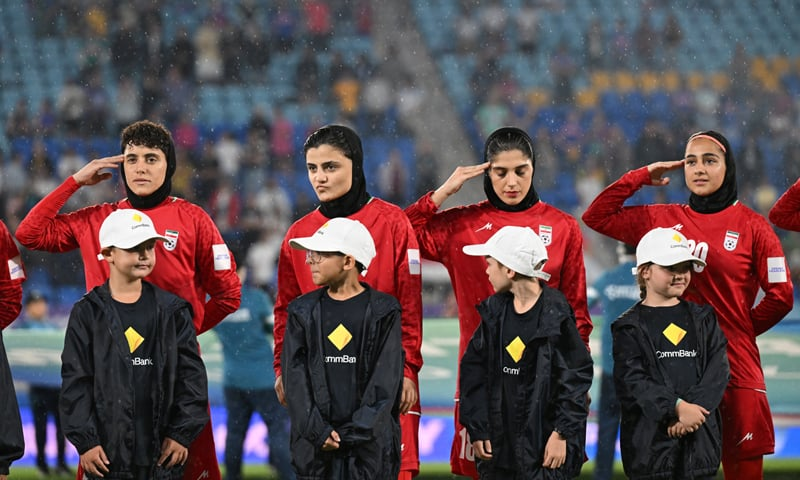
Sydney, Australia — March 10, 2026. Reports from multiple international outlets including BBC, confirm that several members of the Iranian women’s soccer team have sought protection abroad during the Women’s Asian Cup in Australia. The situation quickly turned into a diplomatic and humanitarian issue after concerns emerged about the players’ safety if they returned to Iran.
The Iranian women’s soccer team asylum story gained global attention after five players were granted humanitarian visas by the Australian government. Officials said the athletes feared possible persecution after their actions during the tournament drew criticism from Iranian authorities.
Why the Iranian Women’s Soccer Team Asylum Issue Emerged
The controversy began during the 2026 Women’s Asian Cup when several members of Iran’s women’s national team reportedly did not sing the country’s national anthem before a match. Observers interpreted the moment as a silent protest linked to tensions inside Iran and the ongoing regional conflict.
Following the match, Iranian state media reportedly labeled some players as “traitors,” raising fears that they could face punishment upon returning home.
As the tournament ended and teams prepared to leave Australia, concerns intensified about the safety of certain players. Some athletes began exploring asylum options rather than returning to Iran.
Read More: Strait of Hormuz Closure: Will Americans Pay More at the Pump Now?
Australia Grants Protection to Five Players
Australia’s government confirmed that five players from the Iranian women’s soccer team were granted humanitarian visas and moved to a secure location under police protection.
According to Australian Home Affairs Minister Tony Burke, the players were transported from their hotel to a safe location where their visa paperwork was finalized.
“They’re athletes who want to be safe and are very grateful that Australia is taking that opportunity,” Burke said while confirming the humanitarian visas.
The visas allow the athletes to remain in Australia temporarily and may provide a pathway to permanent residency in the future.
Australian Prime Minister Anthony Albanese also stated that any other members of the team who wish to seek protection would receive assistance.
Trump Intervenes in Iranian Women’s Soccer Team Asylum Debate
The Iranian women’s soccer team asylum crisis also drew political attention in the United States.
Former U.S. President Donald Trump urged Australia to grant asylum to the players, warning that they could face severe consequences if they were forced to return to Iran.
Trump later said he had spoken with Prime Minister Albanese and praised Australia’s decision after learning that several players had already been taken care of.
“Five have already been taken care of,” Trump wrote on social media after speaking with Australian officials.
Trump also stated that the United States would consider offering asylum if Australia declined to assist the players.
The Difficult Choice Facing the Remaining Players
While five players chose asylum, other members of the Iranian women’s soccer team appear to be weighing their options carefully.
Officials say many athletes are worried about the safety of their families in Iran if they remain abroad. This pressure has complicated decisions for the rest of the squad.
Some players reportedly decided to return home despite the controversy, highlighting the intense personal and political pressures surrounding the Iranian women’s soccer team asylum situation.
Australia has said the offer of protection remains open for any team member who wishes to request it.
Read More: Will Oil Prices Rise and Trigger Global Inflation?
Wider Context: Athletes and Political Risks
The Iranian women’s soccer team asylum case reflects a broader pattern in international sports where athletes face political consequences for their actions.
Human rights groups have frequently warned that athletes from politically sensitive environments may face retaliation for protests or perceived dissent.
In recent years, sports events have increasingly intersected with political movements and geopolitical tensions.
Key Context Statistics
- The 2026 Women’s Asian Cup brought teams from across Asia to Australia.
- Iran’s women’s national team participated despite growing political tensions at home.
- Humanitarian visas granted by Australia typically last 12 months and can lead to permanent residency.
Australia previously used similar humanitarian protections for athletes and civilians fleeing conflicts, including members of Afghanistan’s women’s sports teams.
Global Reaction and Human Rights Concerns
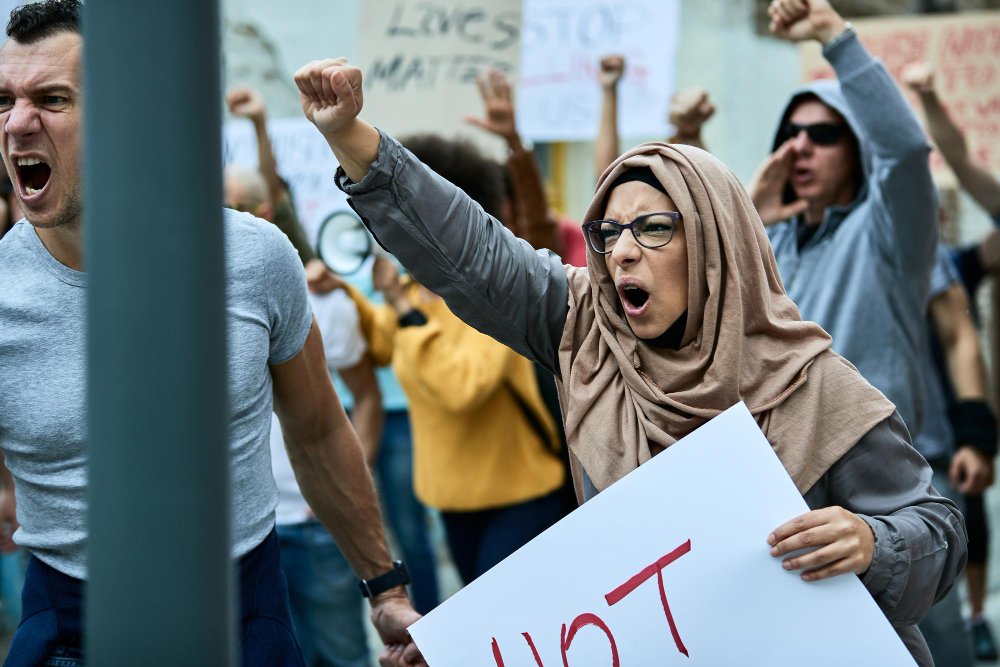
The story has sparked strong reactions from human rights advocates and sports organizations worldwide.
Advocacy groups argue that athletes should be able to compete internationally without fear of political punishment.
At the same time, Iranian officials have criticized foreign governments and political leaders for interfering in the situation.
The case has also highlighted the difficult balance between sports diplomacy, international politics, and human rights protections.
What Happens Next
The Iranian women’s soccer team asylum story remains fluid as the remaining players decide whether to return home or seek protection abroad.
Australian authorities say they will continue offering assistance to any player who requests it, while international observers closely watch the outcome.
In the coming weeks, the case could influence broader discussions about athlete safety, asylum policy, and the intersection of sports and global politics, potentially shaping how future international tournaments address similar humanitarian concerns.