CANTERBURY, England — The worst of the panic may have passed, at least for now. But nobody sensible is calling this done. The Kent meningitis outbreak has eased from its peak, with the UK Health Security Agency saying there were 20 confirmed cases and nine more under investigation as of March 21, down from 34 total cases reported a day earlier after further testing led to some cases being reclassified. Two people have died, and all 20 confirmed cases needed hospital care. Nineteen of those confirmed infections are meningococcal group B, better known as MenB.
That is the first thing worth getting straight. The numbers fell, but not because meningitis suddenly packed up and left Kent. The count dropped because public health teams refined the data as lab results came in. That is a very different thing. It means the picture is clearer, not that the danger has vanished.
What happened in Kent
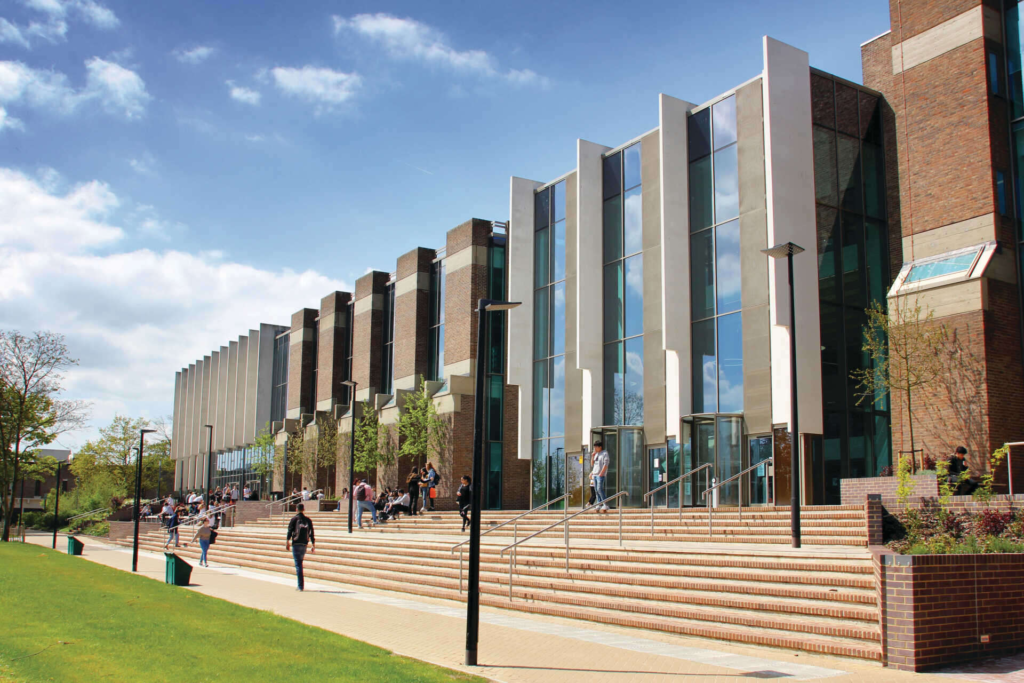
The outbreak is centred on Canterbury and the University of Kent, though it also reached local sixth-form students and one linked student in London. NHS England said most of the early cases were students from the University of Kent and local secondary schools, and that several shared exposure at Club Chemistry, a Canterbury nightclub, between March 5 and March 7. The illness was described as severe, with “rapid deterioration,” and two deaths were confirmed early in the outbreak.
That nightclub link gave the outbreak a shape people could understand. It was no longer some vague health alert. It was a cluster tied to real places: halls, schools, pubs, clubs, shared flats, shared drinks, the usual student life stuff. Once that clicked, the response changed gear fast.
Why Club Chemistry keeps coming up
Health officials first focused on people who had been at Club Chemistry on March 5, 6 and 7, then widened the net after one suspected case revisited the venue before it closed voluntarily on March 15. UKHSA later said anyone who attended the club between March 5 and March 15 should be offered antibiotics and the MenB vaccine as a precaution.
That sounds dramatic, and it is. But it is also practical. Meningococcal disease does not spread like measles. It usually needs closer contact, which is exactly what you get in a crowded club, student flat or shared social circle.
Why the case count fell but the warning did not.
A lot of people see a lower number and assume the story is winding down. Not quite. UKHSA’s March 22 update said 20 laboratory cases were confirmed and nine notifications remained under investigation, down from the day before because three previously confirmed cases were reclassified after more lab work and clinical review. The agency also warned that further probable cases could be downgraded as more assessments are completed.
That sounds reassuring on one level, and it is. But public health officials are still not treating this as over. Reuters reported that Kent County Council’s director of public health, Dr. Anjan Ghosh, said officials were “not in the position yet to say definitively” that the outbreak had been contained, because secondary transmissions still needed to be ruled out.
That is the fairest way to describe where things stand. Better than a few days ago. Not finished.
Who is being offered antibiotics and the MenB vaccine
This has been a huge operation. As of 6 p.m. on Saturday, more than 8,000 MenB vaccines and 12,157 doses of antibiotics had been handed out across six clinics in Kent, according to NHS Kent and Medway, with local GPs also able to help eligible students who had already travelled home.
The vaccination programme started with roughly 5,000 University of Kent students and staff in affected halls and then widened. UKHSA later extended the offer to everyone who had been offered preventive antibiotics, including close contacts, some sixth-form students in affected schools and colleges, and people who attended Club Chemistry during the expanded risk window.
Why antibiotics matter so much
The vaccine has got most of the headlines, but officials have been blunt about the real frontline tool. UKHSA said “the key intervention” remains people coming forward for antibiotic treatment, adding that a single course of antibiotics is highly effective in preventing the contraction and spread of this disease in 90% of cases.
That is why the public message has not just been “go get jabbed.” It has been: if you were contacted, take the antibiotics promptly and do not put it off. Vaccination gives longer-term protection. Antibiotics are what help stamp out the immediate risk.
Read More on: 10 Best Supplements Brands For Women’s Health
What officials are saying now
The official tone has been cautious, which makes sense. Nobody wants to call the all-clear too early and look foolish 48 hours later.
“We continue to remain vigilant for new cases”
Dr Ben Rush – UKHSA
Dr Ben Rush said any new infections would be identified and dealt with quickly. He also said it was “vital” that people knew the symptoms and sought urgent medical attention if they or someone they knew became unwell.
Meera Chand, UKHSA’s strategic response director, said the latest lab work showed the vaccine being offered in Kent “should cover this circulating strain of MenB,” which matters because people have been scrambling for the vaccine nationwide. Reuters reported that Boots said demand had become “unprecedented,” with limited supplies in some places.
Professor Susan Hopkins, chief executive of UKHSA, put the vaccine message in the clearest terms:
“If you have had the antibiotic, you are also eligible for the vaccination.” That is about as plain as public health guidance gets.
Why has this outbreak hit a nerve
Part of it is the age group. Young adults do not expect to be in the middle of something like this. They go to lectures, go out, crash at friends’ places, borrow chargers, share drinks, kiss people they maybe should not kiss, and generally behave like young adults. That is not moral panic, just reality. And meningococcal disease likes close-contact settings.
Part of it is speed. Meningococcal disease can turn ugly very quickly. NHS guidance says symptoms can include
- Sudden Fever
- Headache
- Vomiting
- Stiff Neck
- Sensitivity to Light
- Drowsiness
- Seizures
In some cases, a rash that does not fade under pressure. Not everyone gets every symptom, and they do not always arrive in neat order, which is part of what makes meningitis so frightening.
And part of it is the awkward vaccine gap. UKHSA noted that the MenB vaccine has been on the NHS routine childhood schedule since 2015, which means many of today’s university-age students were too old to have received it as part of that programme. So you end up with a lot of teenagers and young adults in close social settings without the kind of routine MenB cover that younger children now get.
The wider public risk is still considered low.
That point keeps getting repeated because it matters. UKHSA and local officials have stressed that the risk to the wider population remains low. Reuters also reported that the European Centre for Disease Prevention and Control said the general risk in Europe was “very low.” Even so, Dr. Anjan Ghosh warned that small household or sporadic clusters could appear in other areas as students travel away from Kent, though he said these should be containable.
So yes, it is serious. No, it is not a sign that the whole country is about to spiral into some wider outbreak.
What people should watch for
Health officials are telling people to seek immediate medical attention if symptoms appear. NHS and UKHSA guidance both point to fever, severe headache, vomiting, drowsiness, confusion, fast breathing, cold hands and feet, neck stiffness, and a rash that does not fade when pressed. The broad point is simple: if someone looks rapidly worse, do not sit on it and hope tomorrow sorts it out.
Meningitis has always been one of those illnesses where obvious advice suddenly becomes hard to follow in real life. People assume it is the flu. either exhaustion, a hangover, Or one of those bugs going around campus. By the time it is clearly not that, precious time may already have gone.
If you work in healthcare or public health and want to contribute similar reporting or analysis, see our Write for Us Health page.
FAQ: Kent meningitis outbreak
Q:1 Is the Kent meningitis outbreak over?
No. Cases have fallen after some were reclassified, but UKHSA is still investigating and local officials have said it is too early to say definitively that the outbreak has been contained.
Q:2 How many confirmed cases are there?
As of UKHSA’s March 22 update, there were 20 confirmed laboratory cases and nine more notifications under investigation, bringing the total under review to 29. Two people had died.
Q:3 What strain is involved?
Most confirmed cases are MenB. UKHSA said 19 of the 20 confirmed cases were meningococcal group B, and official lab analysis indicated the Bexsero vaccine being offered should protect against the circulating strain.
Q:4 Who can get antibiotics or the vaccine?
The offer has been aimed at those most likely to have had close exposure: eligible University of Kent students, close contacts, certain sixth-form students in affected settings, and people who attended Club Chemistry during the risk window identified by UKHSA. Eligible people who have gone home elsewhere in England can also go through their local GP.
Q:5 What are the main meningitis symptoms?
Officials say to watch for fever, headache, vomiting, stiff neck, sensitivity to light, drowsiness, confusion, fast breathing, cold hands and feet, and a rash that does not fade under pressure. Not everyone gets all the symptoms.
Q:6 Is the risk high for the general public?
Health officials say the risk to the wider population remains low, even though the outbreak itself has been serious for those directly affected.
The bottom line
The Kent meningitis outbreak has calmed a little on paper, but it is still not the kind of story you brush off with a relieved shrug. Two young people have died. Dozens of others have been pulled into a public health response that has involved hospitals, schools, GPs, antibiotic clinics and a large vaccine push. The case count is lower than it was, but the warning is still the same: know the symptoms, take the antibiotics if you have been offered them, and do not mess around if somebody becomes suddenly unwell.
