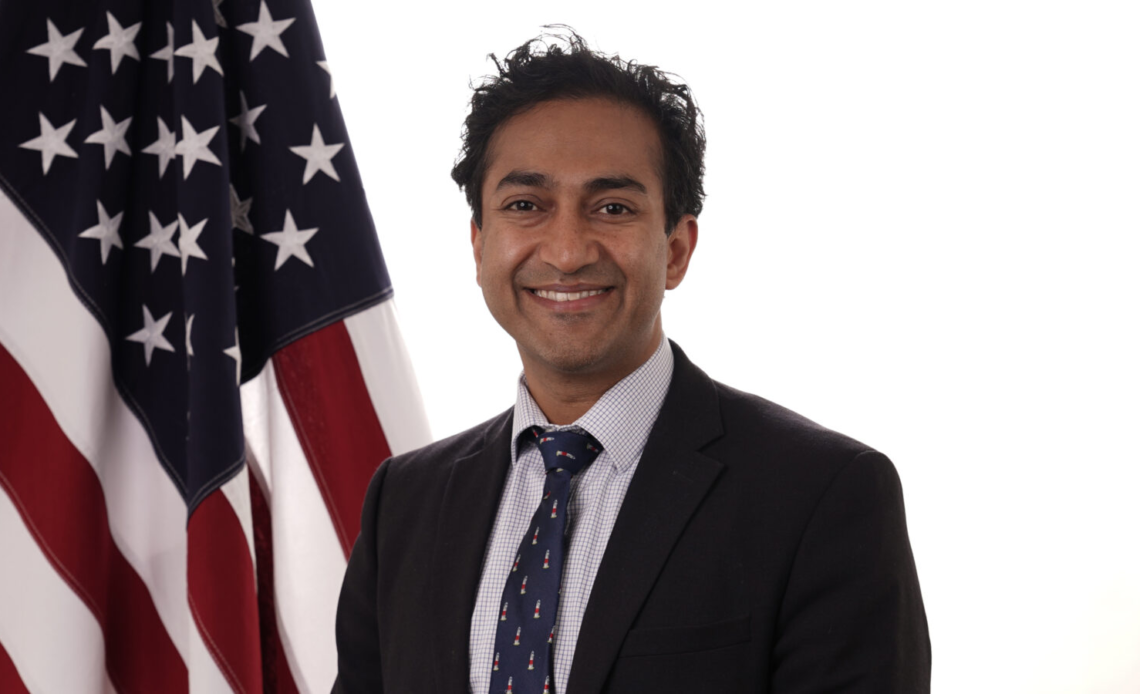
WASHINGTON, March 6 (ArticleThirteen) — The leadership of the U.S. Food and Drug Administration (FDA) is once again facing turbulence after its vaccine chief, Vinay Prasad, announced he will step down from his position for the second time in less than a year.
The leadership of the U.S. Food and Drug Administration (FDA) has once again been shaken after the agency’s controversial vaccine chief announced he will step down for the second time in less than a year. Dr. Vinay Prasad, who oversees vaccines and biotechnology products at the FDA, is scheduled to leave the agency at the end of April 2026 following months of political backlash, industry criticism, and internal disputes.
The departure was first reported by NPR and later confirmed by FDA officials. Highlights growing tensions surrounding vaccine regulation, drug approval policies, and the role of politics in public health decisions in the United States.
Prasad’s tenure at the FDA has been marked by heated debates over regulatory transparency, clinical trial standards, and how quickly new biotechnology treatments should reach the market.
Who Is FDA Vaccine Chief Vinay Prasad?
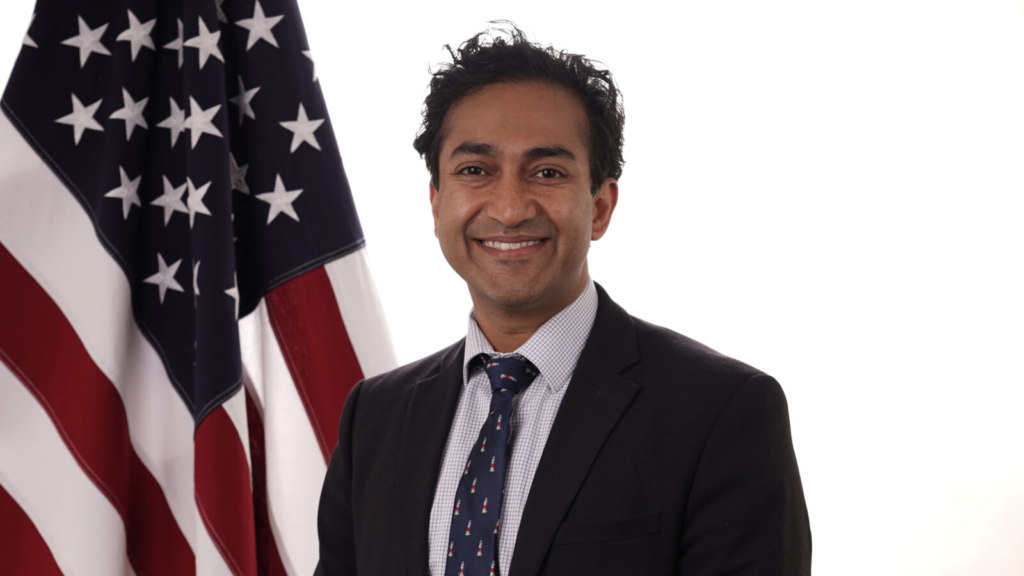
Dr. Vinay Prasad is an oncologist and medical researcher who previously served as a professor at the University of California, San Francisco (UCSF). He became the director of the FDA’s Center for Biologics Evaluation and Research (CBER), the division responsible for regulating vaccines, gene therapies, and other biological treatments.
Before joining the FDA, Prasad gained attention for his outspoken criticism of certain drug approval practices and pandemic policies. His work focused on improving clinical trial standards and questioning whether some medicines were being approved without sufficient evidence.
Supporters viewed him as a reformer who wanted stricter scientific standards, while critics argued his views could slow innovation and undermine vaccine confidence.
A Turbulent Tenure at the FDA
Prasad joined the FDA in 2025 during a period of intense debate over vaccine safety and drug approval policies. His leadership quickly became controversial due to several high-profile decisions and policy shifts.
Among his most debated actions was the push to tighten requirements for certain vaccine approvals and biological treatments. These changes included new clinical trial expectations and revised frameworks for evaluating COVID-19 vaccines and other therapies.
However, these reforms sparked criticism from multiple sides. Pharmaceutical companies, patient advocacy groups, and political figures raised concerns that his decisions could slow down life-saving treatments and create regulatory uncertainty.
At the same time, According to reports from NPR and other outlets, internal disagreements within the FDA intensified during this period., with some scientists expressing concern that leadership decisions were overriding established regulatory processes.
The Moderna Flu Vaccine Dispute
One of the most widely discussed episodes during Prasad’s tenure involved the FDA’s handling of an experimental influenza vaccine developed by Moderna.
The company had been developing an mRNA-based flu vaccine using technology similar to the platform used in its COVID-19 vaccine.
According to several media reports, Prasad raised concerns about aspects of the clinical trial data submitted in support of the vaccine. His cautious approach reportedly delayed regulatory progress before the situation was later revisited by agency leadership.
The debate surrounding the vaccine drew significant attention from the biotechnology industry and policymakers, raising broader questions about consistency and transparency within the FDA’s regulatory process
Read More: Will Americans Pay More at the Pump Now?
Why the CBER Role Matters
The FDA regulates one of the world’s largest pharmaceutical markets. According to industry estimates, the global vaccine market is projected to exceed $100 billion by the end of the decade, with mRNA technology expected to play a major role in future vaccines.
The Center for Biologics Evaluation and Research (CBER) plays a crucial role within the FDA. The division regulates vaccines, cell-based therapies, gene therapies, and other advanced biological medicines.
Because many modern treatments rely on complex biotechnology platforms, decisions made by CBER can influence global pharmaceutical markets and determine how quickly new therapies reach patients.
As a result, the leadership of the division often operates at the intersection of science, public health policy, and industry innovation.
“Scientific evidence and transparency must remain the foundation of public health regulation,”
Prasad said in previous discussions about drug approval standards.
Previous Departure and Reinstatement
Prasad’s upcoming exit is particularly notable because it is the second time he has left the role in under a year.
In July 2025, he briefly stepped down after criticism from biotech executives, patient groups, and political activists who objected to his regulatory approach and past political statements.
Shortly afterward, however, he was reinstated with support from key officials within the Department of Health and Human Services, demonstrating how divisive his leadership had become within both political and scientific circles.
This unusual sequence of resignation and reinstatement further highlighted the complex political environment surrounding U.S. vaccine regulation.
Political and Industry Reactions
The reaction to Prasad’s departure has been mixed across the healthcare and biotechnology sectors.
Some pharmaceutical industry leaders have expressed relief, arguing that regulatory stability is essential for medical innovation and investment. Concerns had been growing about unpredictable policy shifts affecting vaccine development pipelines.
Meanwhile, some public health experts believe Prasad raised important questions about clinical trial standards and evidence requirements. They argue that more rigorous oversight could ultimately strengthen public trust in vaccines and new therapies.
Still, critics say the controversies surrounding his tenure have damaged confidence in the FDA’s independence and scientific credibility.
What Happens Next?
According to FDA officials, Prasad plans to return to his academic role at the University of California, San Francisco after leaving the agency in April.
The FDA will now begin the process of selecting a new leader for the Center for Biologics Evaluation and Research. The choice will likely play a crucial role in shaping future vaccine policy, particularly as biotechnology companies race to develop new mRNA vaccines, gene therapies, and personalized cancer treatments.
For the pharmaceutical industry, investors, and public health officials, the appointment of a new vaccine chief could signal a shift in how the agency approaches regulation in the coming years.
Conclusion
The departure of FDA vaccine chief Vinay Prasad marks another chapter in a turbulent period for U.S. health regulation.
His tenure sparked significant debate about clinical evidence standards, vaccine policy, and the influence of politics in public health decision-making.
While supporters credit him with pushing for stronger scientific scrutiny, critics argue his leadership contributed to regulatory uncertainty and controversy.
The FDA’s choice for the next CBER director will likely signal how the agency plans to balance scientific caution with the rapid pace of biotechnology innovation. With pharmaceutical companies investing billions in new mRNA vaccines and gene therapies, the leadership decision could shape the future of vaccine regulation in the United States.