

In a dramatic turn in the entertainment industry, Netflix drops Warner Bros bid, ending its pursuit of a landmark acquisition and clearing the path for Paramount Skydance’s superior offer to take control of Warner Bros. Discovery. This strategic retreat marks a pivotal moment in media mergers and acquisitions, reshaping the competitive landscape of streaming and legacy studio ownership.

What Happened: Netflix Bows Out
Netflix Inc. announced on February 26, 2026, that it will not raise its offer to acquire Warner Bros. Discovery (WBD) after the company’s board determined that Paramount Skydance’s revised bid represented a “superior proposal” under the terms of Netflix’s existing agreement.
Originally, Netflix had agreed in late 2025 to purchase WBD’s studio and streaming assets, including HBO and HBO Max, in a deal valued at approximately $82.7 billion. However, Paramount Skydance countered with an all-cash bid of $31 per share, valuing WBD at over $111 billion and prompting Netflix to reassess the economics of the deal.
Netflix’s leadership, including co-CEOs Ted Sarandos and Greg Peters, stated that while their offer would have delivered shareholder value and a clear regulatory path, matching Paramount’s higher price would no longer be financially attractive.
Read More on Business and Finance Insights
- Scalp Care by Hair Type: What Your Roots Are Trying to Tell You
- How Digital Marketing Changes as a Business Grows
- How AI Search Is Changing SEO for Businesses in 2026
- Itchy Scalp and Hair Loss in Women: Hidden Causes + Fix
- How to Detect AI-Generated Images & Videos in 2026 (Easy & Accurate Guide)
Why Paramount Skydance Emerges Victorious

Paramount Skydance’s bid was deemed “superior” because it not only offered a higher per-share price but also included financial incentives such as termination and regulatory fees that mitigated risk for Warner Bros. shareholders.
Paramount’s strategy involves acquiring the full portfolio of Warner Bros. Discovery, encompassing flagship assets like HBO, CNN, Discovery networks, and legacy film and TV studios, which vastly broadens its existing collection that includes CBS, Paramount+, MTV, and Nickelodeon. This consolidation has triggered intense scrutiny from regulators and industry analysts concerned about market power and reduced consumer choice.
Market Reaction and Industry Impact
Following the announcement:

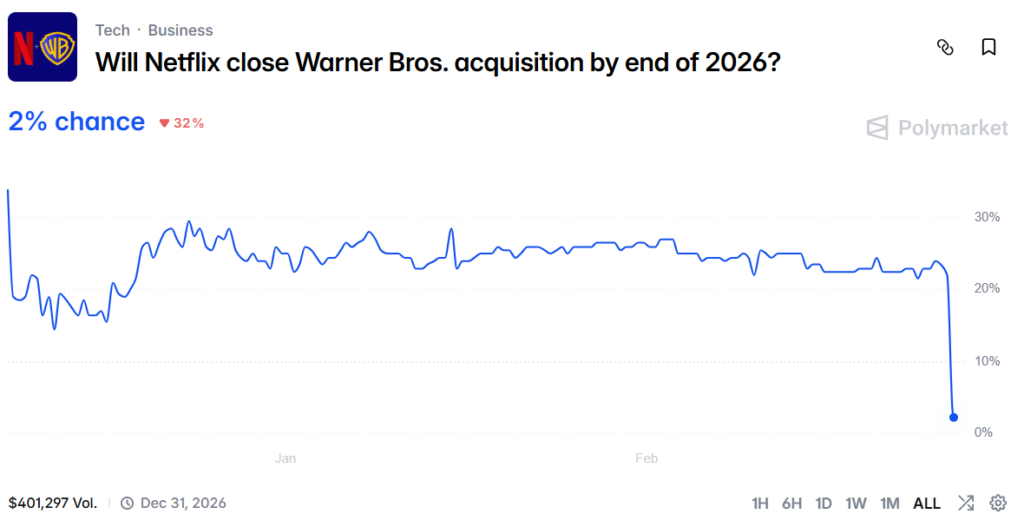
- Netflix shares jumped in after-hours trading, reflected by investor relief that Netflix retained capital and avoided overpaying.
- Media analysts say Paramount’s broader asset base positions it as a new media powerhouse, challenging streaming giants like Netflix, Disney, and Apple TV+.
However, the potential mega-merger raises antitrust questions. Regulators in the U.S. and abroad are expected to comb through the implications of a combined Paramount-Warner entity controlling a significant share of Hollywood content production and distribution.
What This Means for Streaming and Media Consolidation
The bidding war and its outcome underscore two major trends:
1. The Cost of Content and Scale
The quest to secure iconic franchises — from HBO classics to major film properties — illustrates how much streaming platforms value content ownership to drive long-term subscriber growth. Paramount’s willingness to exceed Netflix’s offer reflects this strategic urgency.
2. Regulatory and Competitive Pressure
As traditional studios align with streaming services, regulators are increasingly vigilant about competition, market dominance, and consumer impact — considerations that could shape future media M&A deals.
Looking Ahead
Although Netflix drops Warner Bros bid, the media sector is far from settled. Executives will now pivot strategy:
- Netflix is focusing on core growth through content investment and subscriber retention rather than mega-buyouts.
- Paramount Skydance prepares for integration challenges and regulatory review as it pursues one of the industry’s most significant acquisitions yet.
This episode marks a defining chapter in modern entertainment business — one that will influence how content giants compete in the years to come