


Washington, D.C., March 14, 2026 – The Trump TikTok deal fee is drawing global attention after reports revealed that the administration could receive as much as $10 billion from investors involved in the restructuring of TikTok’s U.S. operations. The payment comes after months of negotiations aimed at resolving national security concerns over the Chinese-owned social media platform.
According to reporting from the The Wall Street Journal, the fee is tied to a deal that shifted control of TikTok’s American business to a consortium of U.S. and international investors while allowing the app to continue operating in the United States.
The scale of the Trump TikTok deal fee is unprecedented for a government-brokered corporate restructuring. Therefore, the arrangement has quickly become one of the most controversial business-policy developments of 2026.
The agreement also reflects a wider shift in global technology politics, similar to the trends discussed in US vs China Tech War 2026 – Effects on Jobs and Living Cost, where geopolitical tensions increasingly shape the technology sector.
What Is the Trump TikTok Deal Fee?

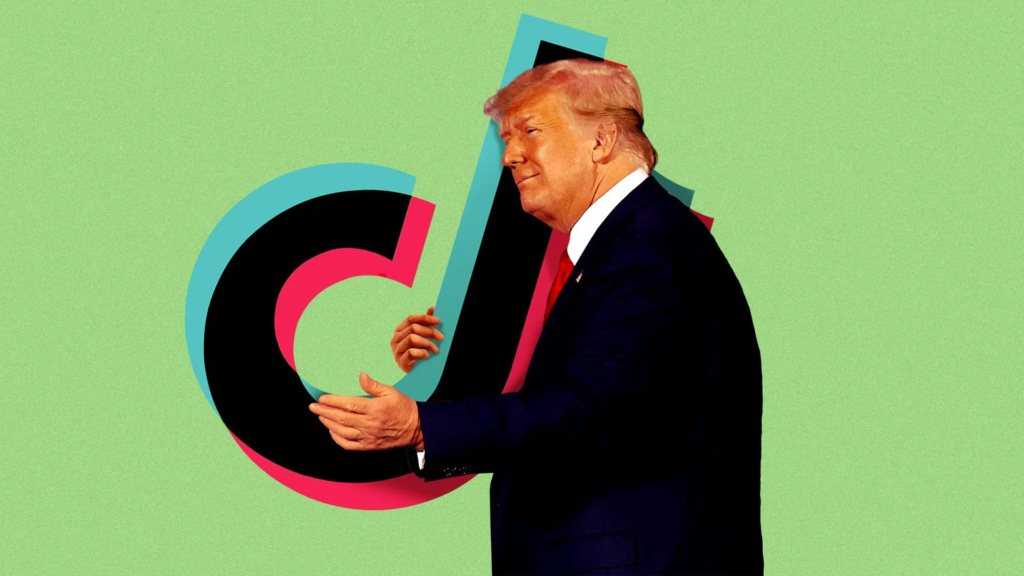
The Trump TikTok deal fee refers to payments expected from investors who acquired stakes in TikTok’s newly structured American entity.
Investors Involved in the TikTok Deal
Several major investors participated in the deal, including:
- Oracle
- Silver Lake
- MGX
These firms gained control of TikTok’s U.S. operations from its Chinese parent company ByteDance.
In return, the investor consortium agreed to pay the U.S. government a fee that could total $10 billion over time.
Initial Payment Already Made
Reports indicate that around $2.5 billion has already been transferred to the U.S. Treasury after the deal closed earlier in 2026.
Additional payments are expected in installments as part of the overall Trump TikTok deal fee structure.
Supporters say the payment reflects the government’s role in brokering a deal that resolved national security concerns while allowing TikTok to keep operating in the United States.
Why the TikTok Deal Happened
The Trump TikTok deal fee is the result of years of political pressure over TikTok’s Chinese ownership.
U.S. lawmakers raised concerns that American user data could potentially be accessed by the Chinese government because TikTok was owned by ByteDance, a Beijing-based company.
Therefore, Congress passed legislation requiring TikTok to divest its U.S. operations or face a potential nationwide ban.
Key Terms of the TikTok Restructuring
The agreement that followed created a new structure for TikTok’s American operations:
- U.S. investors hold majority ownership
- ByteDance retains less than 20% stake
- TikTok’s algorithm is licensed to the new entity
- Data security oversight is strengthened
This type of government involvement in major tech deals mirrors broader debates about AI and national security, explored in OpenAI Revises Pentagon AI Deal After Massive Backlash
A Massive Social Media Platform at Stake
TikTok is one of the most influential social media platforms in the world. In the United States alone, the app has more than 200 million users, making it a major digital advertising and entertainment ecosystem.
Globally, TikTok generates billions in revenue from advertising, e-commerce integrations, and creator monetization tools. Analysts estimate the new U.S. TikTok entity created through the restructuring is valued at about $14 billion, though some industry experts argue that figure may underestimate the platform’s true value.
Because of this scale, the Trump TikTok deal fee stands out even more. Traditional investment banks typically charge less than 1% of a deal’s value for advisory services, far below the multibillion-dollar figure involved here.
Political and Industry Reactions
The size and structure of the Trump TikTok deal fee have triggered strong reactions across the political and business landscape.
Supporters argue that the administration successfully negotiated a deal that protects national security while preserving a valuable digital platform for American creators and businesses.
However, critics question whether the government should receive such a large financial payment in a private-sector transaction.
Some analysts have also raised concerns about precedent. Government involvement in large corporate deals is not new, but a direct multibillion-dollar brokerage-style fee is highly unusual in modern U.S. policy.
Expert Perspective on the Deal
President Donald Trump has defended the arrangement publicly, emphasizing that the government played a key role in securing the agreement.
“The United States is getting a tremendous fee… just for making the deal,” Trump said when discussing the TikTok negotiations.
Supporters say the government helped prevent a complete shutdown of the platform while navigating complex geopolitical tensions between the United States and China.
The Bigger Picture: Tech, Security and Global Politics
The Trump TikTok deal fee highlights how governments are increasingly involved in the global technology industry.
Digital platforms now influence:
- national security
- global data flows
- digital advertising markets
- political communication
Because of these factors, governments around the world are rethinking how foreign-owned technology companies operate inside their borders.
The TikTok restructuring shows how geopolitical tensions between the United States and China can directly shape business decisions in the technology sector
Although the deal has been finalized, debate over the Trump TikTok deal fee is likely to continue.
Legal challenges and political scrutiny could still emerge as regulators review the unusual structure of the agreement.
Meanwhile, the investor group will gradually complete the payments that make up the multibillion-dollar fee.
Looking ahead, the TikTok case may shape how governments handle foreign-owned technology platforms in the future — potentially influencing global tech policy, national security regulation, and major corporate deals for years to come.