


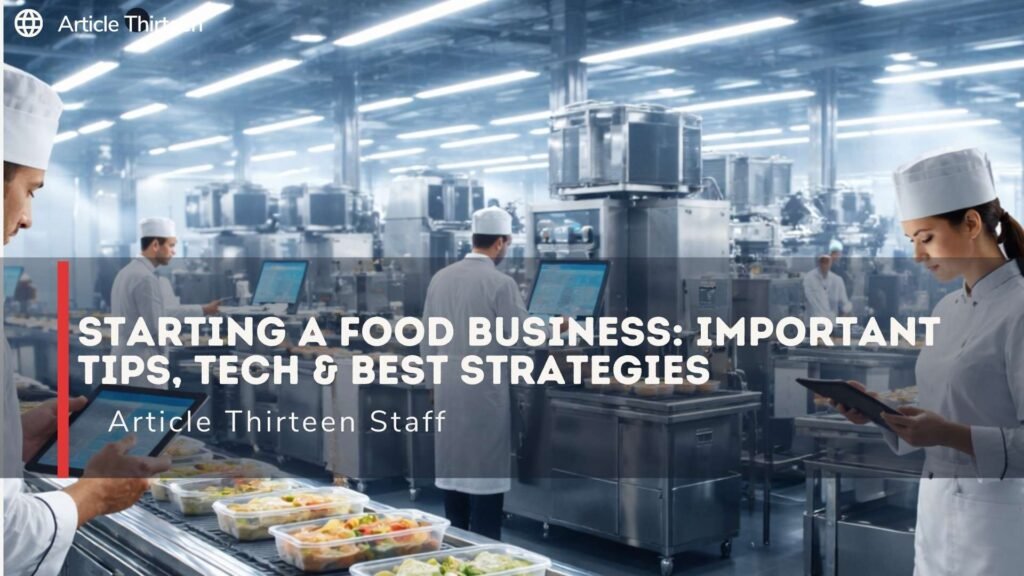
The food manufacturing industry is full of hard-earned lessons, some gained through trial and error, others through careful innovation. Whether you’re dreaming of launching your own product line, scaling a small kitchen operation, or opening a specialty food business, the insights from those who have been there before can save you time, money, and frustration. Here’s what you can take from the experts and apply to your next edible venture.
Understanding Customers in Food Business: Data & Insights
One of the biggest reasons food businesses struggle or fail is not understanding their customers. A great recipe or product isn’t enough. If you don’t know who you’re selling to, what they expect, or how they make purchasing decisions, you’ll have a hard time building a loyal customer base. The lessons from restaurants make this clear: businesses that succeed are the ones that take the time to study their customers’ habits, preferences, and expectations before investing too much in production.
Understanding your market means knowing not just who your ideal customer is, but where they shop, how much they’re willing to spend, and what they’re looking for in a food product. Do they prioritize convenience? Do they care about organic ingredients? Are they willing to pay more for premium packaging?
Successful food manufacturers rely on data, testing, and feedback to refine their products before scaling production. If you’re launching a new edible venture, consider small-batch releases or pop-up sales to gauge demand before committing to full-scale manufacturing.
Therefore, Leverage digital tools like customer analytics platforms, surveys, and social media insights to track trends, buying habits, and product preferences. This tech-driven approach reduces guesswork and improves ROI.
Quality Ingredients and Tech in Food Production
Consumers are more ingredient-conscious than ever, and cutting corners on quality can quickly sink a food business. One of the biggest lessons the industry has learned is that using the best ingredients available leads to better products, stronger brand loyalty, and fewer production issues.
Take meat processing, for example. The type of casing used for sausages and cured meats affects not just the final product’s appearance, but also its flavor retention, shelf life, and ease of handling. That’s why experienced manufacturers opt for fibrous casings, which provide durability and consistency that natural casings often lack.
Choosing the right ingredients doesn’t just apply to meat products—it’s just as important in baked goods, snack foods, and beverages. The quality of oils, flours, sweeteners, and seasonings can make or break a product’s success. Manufacturers who prioritize ingredient quality not only create better-tasting foods, but they also reduce production risks like spoilage, texture inconsistencies, and unwanted chemical interactions.
Modern food startups use AI-powered sensors and ingredient tracking systems to ensure consistency, shelf-life optimization, and adherence to quality standards.
Scaling Your Food Business: Maintaining Quality & Efficiency

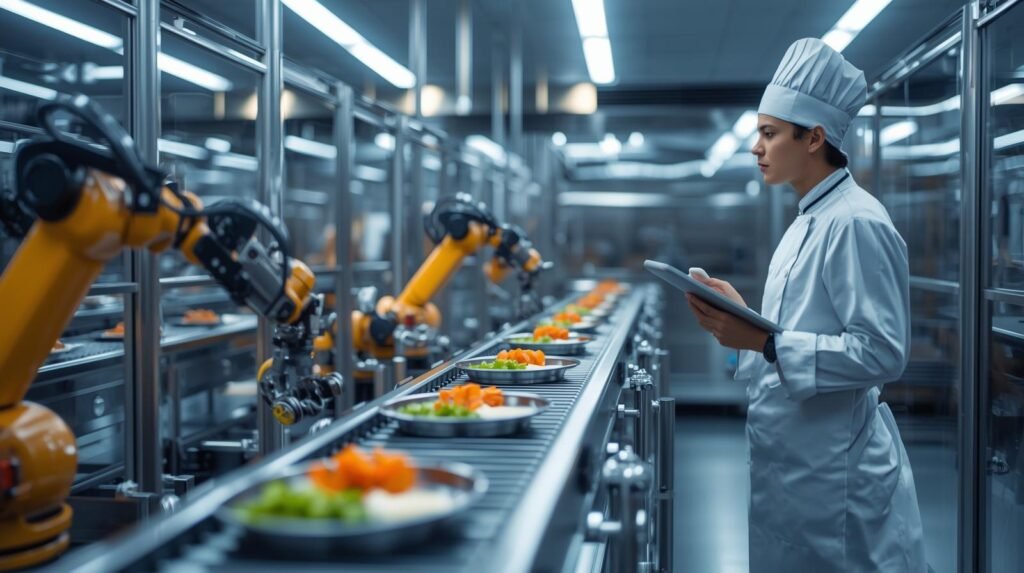
One of the biggest challenges food businesses often face is maintaining product quality as they expand. What works in a small, controlled kitchen environment doesn’t always translate when production ramps up. Scaling too quickly without the right infrastructure can lead to inconsistency, supply chain issues, and customer dissatisfaction.
The key to successful scaling is process standardization. The most successful food manufacturers create detailed production guidelines to ensure that every batch meets the same standards. From ingredient sourcing to packaging, every step of the process needs to be repeatable and efficient.
Automation and equipment upgrades also play a role. Many small businesses struggle to keep up with demand because they rely on manual processes for too long. Investing in machinery and production tools early can prevent future bottlenecks while maintaining product integrity.
Integrating ERP systems or production automation software helps small businesses scale efficiently while maintaining consistent output.
Food Safety & Regulatory Compliance: Tech Solutions
The food industry is one of the most highly regulated, and for good reason. Food safety mistakes can lead to serious health risks, lawsuits, and even business closures. One of the biggest lessons food manufacturers have learned the hard way is that compliance isn’t something to figure out later—it needs to be built into every stage of production.
Small food businesses sometimes underestimate the importance of rigorous food safety measures. But even minor lapses in hygiene, labeling, or storage can have major consequences. Whether it’s ensuring proper refrigeration, preventing cross-contamination, or complying with allergen labeling laws, having strict food safety protocols is essential.
As a result, Digital compliance tools and IoT-based temperature sensors streamline safety checks and traceability, minimizing risks and meeting regulatory requirements.
Smart Packaging for Food Businesses: Design & Technology
In the food industry, great products don’t always sell themselves—packaging plays a massive role in how consumers perceive a brand. Even the best-tasting food won’t succeed if it doesn’t catch the eye of shoppers or communicate its value clearly.
Packaging needs to do more than just look good. It should protect the product, provide clear labeling, and be convenient for consumers. Many food manufacturers have learned through trial and error that poorly designed packaging can lead to issues like product damage, leakage, or customer confusion.
Successful brands test different packaging options to see what resonates with their target audience. Do customers prefer resealable pouches? Are they drawn to minimalist, eco-friendly materials? Does the packaging clearly communicate why the product is worth buying?
For food entrepreneurs, the takeaway here is simple: don’t overlook packaging as a key factor in your brand’s success. It’s the first thing customers see, and it often determines whether they’ll even pick up your product in the first place.
Smart packaging tech like QR codes, augmented reality experiences, and eco-friendly materials enhances brand perception and customer engagement.
What is the first step in starting a food business?
Research your target market, define your product, and test small batches before scaling production. Use tech tools for customer insights to improve decision-making.
How can I ensure consistent quality when scaling my food business?
Implement standardized processes, quality control software, and automation to maintain consistency and efficiency.
What technology can help with food safety compliance?
IoT sensors, traceability software, and digital record-keeping systems can streamline compliance and reduce risk.
How important is packaging for a food startup?
Packaging affects both product protection and brand perception. Smart packaging, eco-friendly materials, and QR codes enhance consumer engagement.
Can technology help improve customer understanding in food business?
Yes. Analytics tools, social media insights, and customer feedback platforms provide actionable data to refine products and marketing strategies.