


Businesses are no longer just automating tasks. They are building intelligent systems that can think, adapt, and execute complex workflows on their own. AI Agent Tools for Enterprise are leading this transformation, helping companies streamline operations, reduce manual work, and unlock a new level of efficiency.
In 2026, the demand for AI Agent Tools for Enterprise is exploding as organizations race to stay competitive in a fast-moving digital economy. From customer support automation to data-driven decision making, these tools are becoming essential for scaling modern enterprises.
What makes AI Agent Tools for Enterprise truly powerful is their ability to operate autonomously. They do not just follow instructions. They analyze data, learn from patterns, and continuously improve performance without constant human input.
In this guide, we break down the top 5 AI Agent Tools for Enterprise that are dominating the market in 2026. Whether you are a startup or a large organization, these tools can help you automate smarter, faster, and more effectively than ever before.
How AI Agent Tools Drive Real‑World Value in Enterprise Automation
Omega Healthcare Management Services, a major healthcare revenue cycle firm, automated its complex administrative workflows using UiPath. By automating document processing and claims handling, they:
- Saved more than 15,000 employee hours per month
- Cut document turnaround time by 50%
- Achieved 99.5% data accuracy
- Delivered ~30% ROI on automation investments
According to Business Insider This shift didn’t just cut costs, it freed skilled staff to focus on patient‑centric and analytical work.
Top AI Agent Tools and Enterprise Automation Platforms in 2026
Below are the leading platforms that enterprises rely on, chosen for real business impact, not hype.
| Platform | Best For | Core Strength |
| Salesforce Einstein & Agentforce | CRM‑centric enterprises | Deeply integrated customer journey workflows |
| Microsoft Copilot Studio + Power Automate | Microsoft ecosystem organizations | Enterprise security + broad third‑party connectors |
| n8n – Flexible Automation Builder | Technical teams | Open architecture + custom automation logic |
| IBM watsonx | Regulated industries | Compliance, governance, auditability |
| UiPath Platform | Broad automation needs | Enterprise orchestration + legacy integration |
1. Salesforce Einstein and Agentforce: Powerful AI Agent Tools for Enterprise

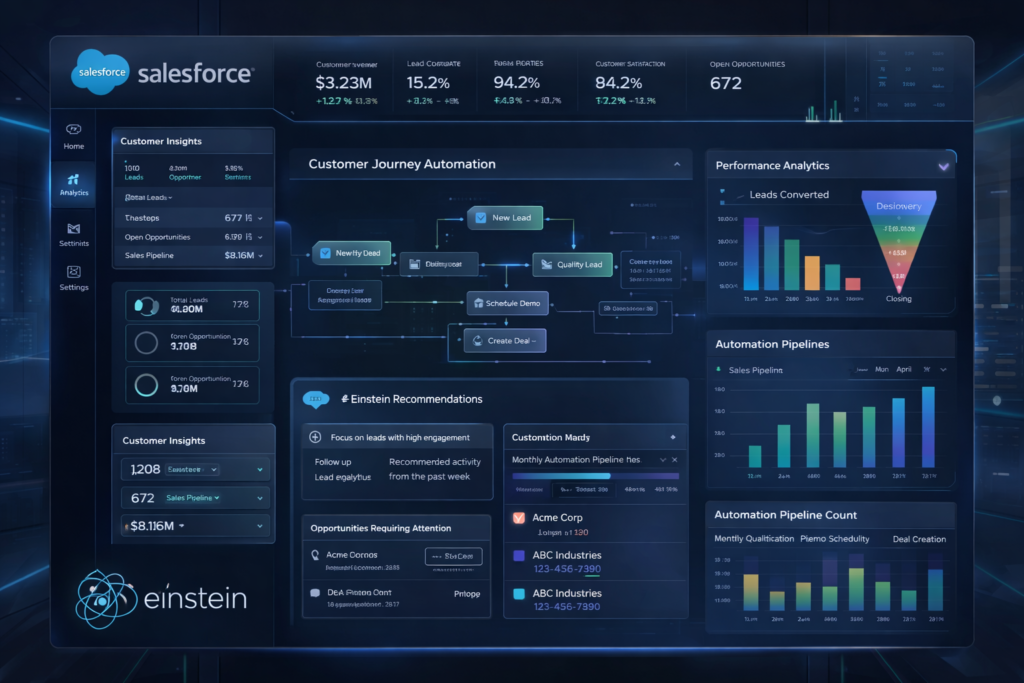
Best for: Organizations that rely on CRM for sales, service, and customer engagement
Salesforce’s automation tools build intelligent workflows directly into the CRM experience. Automation triggers, lead management actions, and service responses can run with minimal manual oversight.
Why enterprises adopt it
- Native integration with CRM data
- Built‑in analytics and activity triggers
Ideal for: Sales‑driven and customer support teams
2. Microsoft Copilot Studio with Power Automate: one of the Leading AI Agent Tools

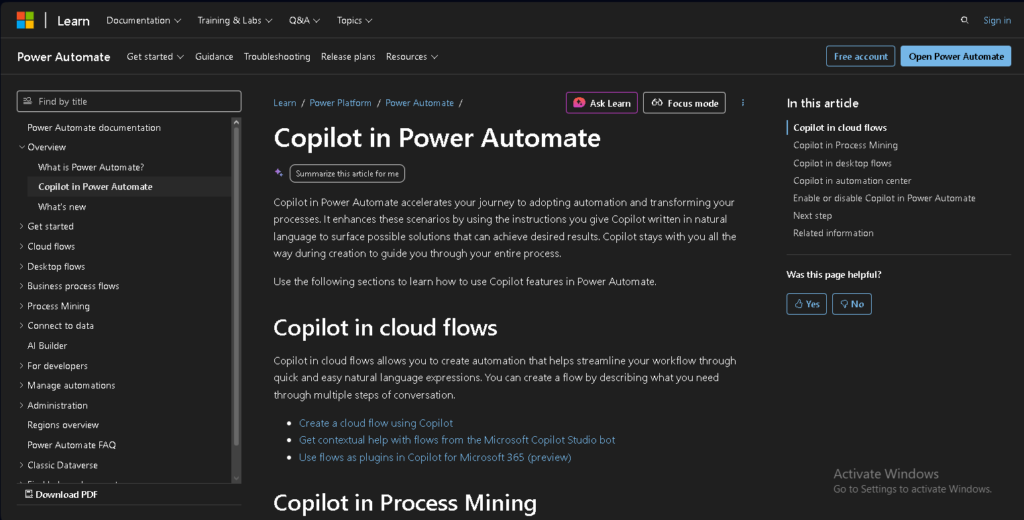
Best for: Microsoft 365 and Azure‑centric enterprises
This pairing offers seamless automation across Outlook, Teams, databases, and more. Its low‑code interfaces help teams build workflows fast and scale them securely.
Why enterprises adopt it
- Enterprise security and compliance framework
- Hundreds of connectors to legacy and cloud apps
3. n8n, Flexible Automation Builder

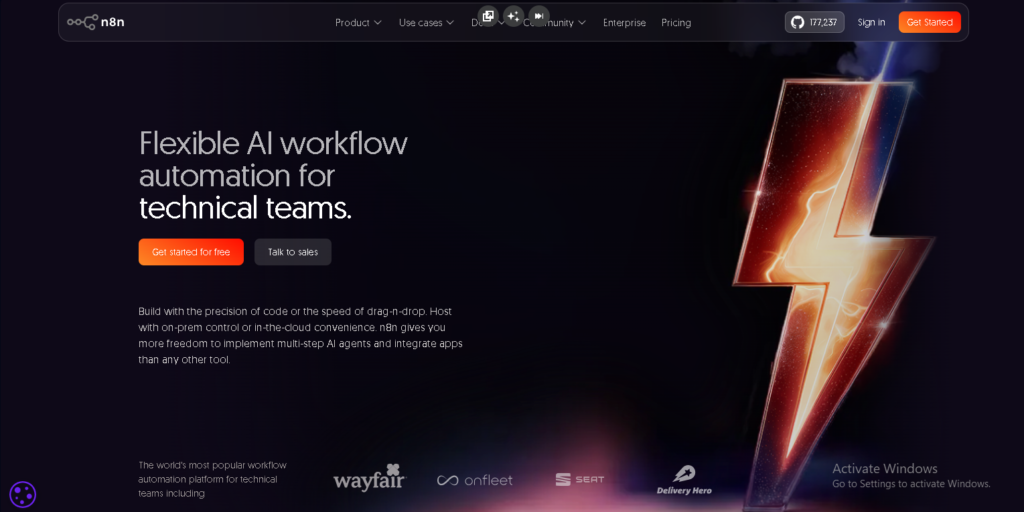
Best for: Technical and digital transformation teams
n8n provides an open, highly configurable automation builder. Self‑hosting options and visual workflow design make it ideal for bespoke use cases and deep customization.
Why enterprises adopt it
- Open architecture for tailored automation
- No‑code/low‑code workflow editor
4. IBM Watsonx
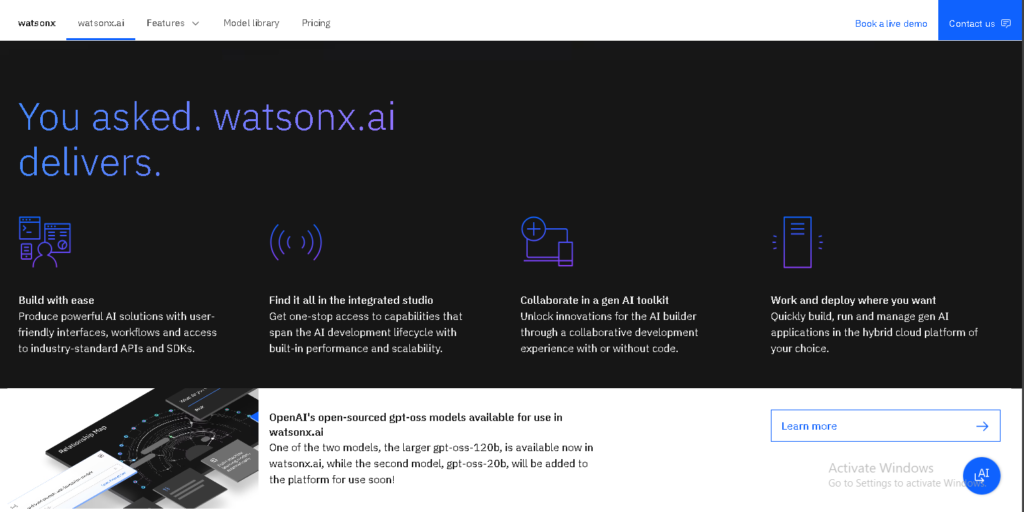
Best for: Banking, healthcare, and government
Watsonx combines workflow automation with stringent governance controls, audit trails, and risk management capabilities. This makes it a top choice for highly regulated sectors.
Why enterprises adopt it
- Enterprise‑grade security tools
- Lifecycle management for automation policies
5. UiPath Platform for Enterprise Automation

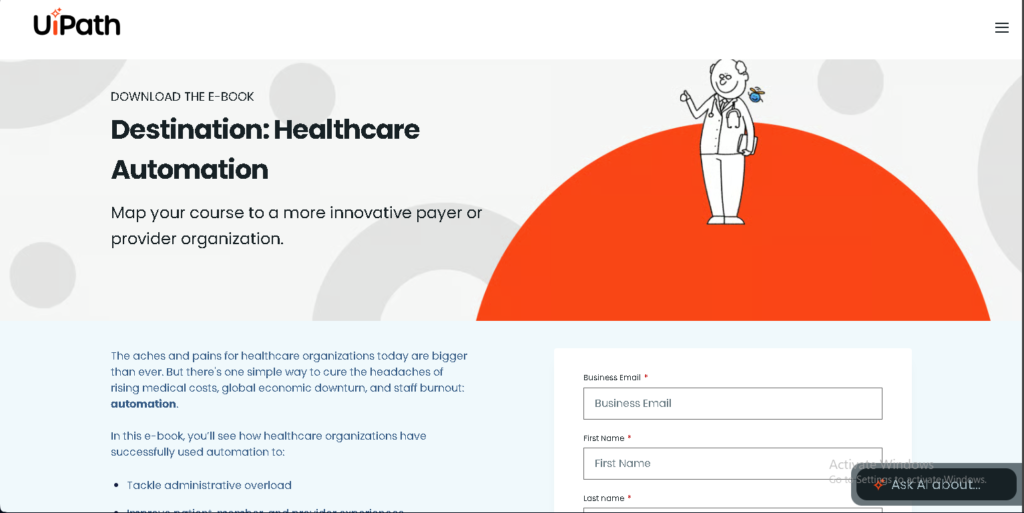
Best for: Organizations scaling beyond simple RPA
UiPath has evolved into a full automation orchestration platform capable of handling complex, rule‑based workflows through intelligent robotics and analytics.
Why enterprises adopt it
- Strong workflow orchestration
- Mixes traditional RPA with next‑gen automation
Read More:
OpenAI Pentagon AI Deal: What It Means for AI & Defense
OpenAI Revises Pentagon AI Deal After Massive Backlash
How to Choose the Right AI Agent Tools Platform for Your Enterprise
Start your evaluation with these key questions:
- What systems must the automation connect to? (CRM, ERP, HR, support tools?)
- Do you need low‑code builders or deep technical customization?
- Are security, compliance, and audit requirements mandatory?
- Does the business need automation for isolated tasks or full end‑to‑end workflows?
Your answers will determine whether a CRM‑embedded tool like Salesforce, a cloud stack like Microsoft, a flexible builder like n8n, or a governance‑focused solution like IBM makes the most sense.
Final Thoughts
Enterprise automation in 2026 is not a buzzword, it’s a measurable force for operational transformation. With more than 80% of organizations embedding automation across key business functions, the path to greater speed, lower costs, and smarter decisions is clear.
Whether your priority is sales growth, compliance excellence, or cross‑departmental efficiency, choosing the right platform can make automation a genuine competitive advantage.
FAQs:
1. What is an AI agent for enterprise?
An AI agent is a software system that performs automated tasks using artificial intelligence. Enterprises use it to improve efficiency, reduce manual work, and streamline processes.
2. How do AI agents improve business automation?
AI agents can handle repetitive tasks like customer support, marketing campaigns, sales follow-ups, and data analysis, allowing employees to focus on higher-value work.
3. Are AI agents replacing employees?
Not entirely. AI agents handle repetitive and time-consuming tasks, while humans focus on strategy, decision-making, and creative work. It enhances productivity rather than replacing jobs.
4. Which AI agent tool is easiest to use?
Ease of use varies, but most top AI agent tools offer drag-and-drop interfaces and prebuilt templates to quickly automate tasks without technical expertise.
5. Can small businesses afford AI agent tools?
Yes. Many AI agent platforms offer affordable plans for startups and small businesses, often with free trials or tiered pricing.
6. How to choose the right AI agent for my company?
Consider your business needs, budget, ease of integration, scalability, security, and support. Use comparison tables and reviews to make an informed choice.
7. Are AI agents safe for sensitive enterprise data?
Most reputable AI tools follow strict data privacy and security standards, including encryption and compliance with regulations like GDPR.