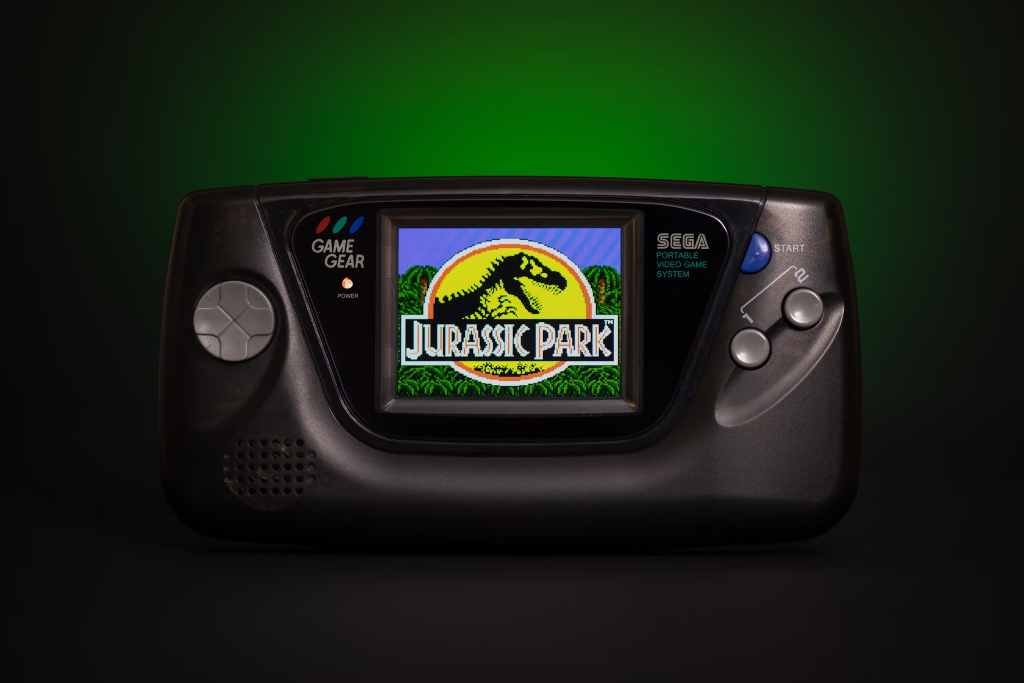
Retro games do not return simply because pixels are fashionable. The strongest revivals preserve one or two qualities players remember clearly, then remove old frustrations that no longer serve the experience. That makes retro design a product decision, not a filter placed over a modern game.
The history is now broad enough to support several generations of nostalgia. The Strong National Museum of Play timeline traces the shift from early arcade games to home consoles and later platforms. A title from the 1990s can feel as historically distinctive to one audience as an arcade cabinet does to another.
Familiar rules reduce the cost of starting
Many older games explain themselves quickly. The player moves, jumps, aims or matches objects and learns through a short cycle of action and feedback. Modern developers can use that familiarity to reduce onboarding, but simplicity should not be confused with a lack of depth.
A focused rule set can support difficult levels, speed runs, score competition or experimentation. The lesson reaches beyond gaming: fewer visible choices can help people understand a product’s main action, provided the system still rewards skill and discovery.
Nostalgia works when the reference is specific
A recognizable sound, limited color palette or menu transition can remind a player of a particular era. Generic ‘retro’ branding is weaker because it asks the audience to supply all the meaning. Good nostalgia marketing identifies the memory it is activating and shows what the new product adds.
- Use one clear historical reference instead of mixing every old style together.
- Explain whether the product is a preservation project, remake, sequel or a new game inspired by older mechanics.
- Show the improvement, such as clearer controls, accessibility options or reliable saving.
- Avoid implying official approval or ownership of an older brand when none exists.
The same principle applies when a company revives an old package, interface or campaign idea. Nostalgia may earn the first glance, but the current product still has to justify the purchase. Article Thirteen’s guide to marketing as a business grows explains why the message and channel should change with the company rather than remain frozen in an earlier stage.
Technical constraints became recognizable design
Pixel art, short audio loops and compact levels originally reflected hardware limits as much as artistic preference. Those constraints now form a visual and sound vocabulary that developers can choose deliberately. The choice works when the art stays readable and the sound supports the action rather than imitating an era without purpose.
Constraint can also control production scope. A small team may be able to polish a focused set of environments and mechanics more thoroughly than a large but thin world. That is a budgeting and product-management advantage, not proof that every retro-looking project is cheap or easy to make.
Communities keep old games visible
Tournaments, conventions, preservation groups, modding communities and video creators give older titles a life beyond their original release. The Retro World Series is one example of organized play built around older games. Community activity creates stories, rivalries and shared knowledge that a publisher cannot manufacture with a launch campaign alone.
Developers benefit when they support legitimate community activity with clear rules, stable versions and useful sharing tools. They lose trust when a nostalgic launch treats the audience as a guaranteed sale and ignores the details that made the original memorable.
Modern improvements should remove friction, not identity
Save systems, remappable controls, readable text and accessibility settings can make an older design easier to use without flattening its character. The difficult judgment is deciding which limitation created meaningful challenge and which one merely reflected hardware or interface restrictions.
A remake that smooths every rough edge may lose the tension people remember. One that preserves every inconvenience may feel like a museum exhibit with a controller attached. The best update explains its choices through the experience rather than through a press release.
The audience also matters. Returning players may tolerate a short learning curve because they recognize the original logic. New players need enough context to understand why the design works the way it does. A revival can respect longtime fans without making prior knowledge the price of admission.
Why retro projects still fail
- The visual style copies an era, but the controls feel slow or unclear rather than intentional.
- The marketing depends on references that younger players cannot understand without explanation.
- The project recreates old accessibility barriers instead of preserving meaningful challenge.
- Nostalgia is used to hide a short, repetitive or unfinished product.
- Copyright, trademarks or music rights are treated as an afterthought.
A successful retro revival makes a disciplined promise: preserve a recognizable feeling, improve the parts that created needless friction and give the community a reason to return. Nostalgia may open the door. Clear rules, responsive design and genuine new value are what keep the player inside.