


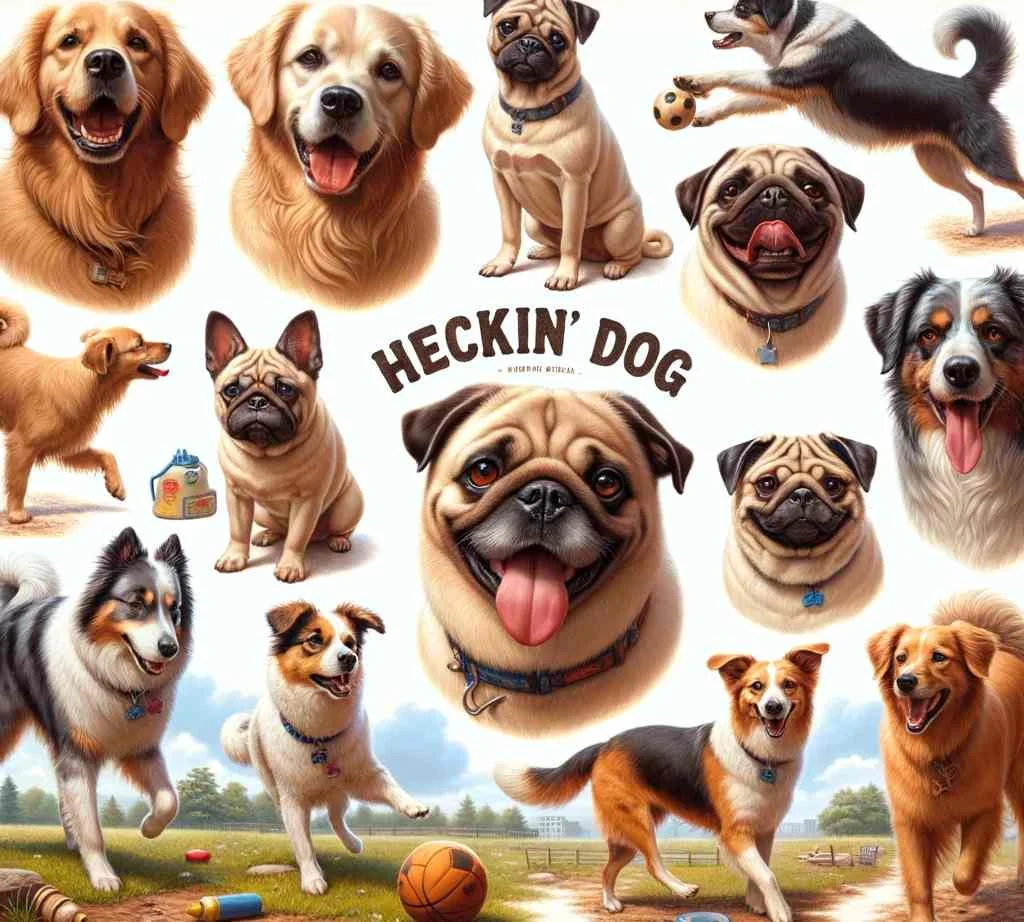
In this context, we look into the internet slang term “hackin’ dog,” exploring its origins, structure, usage, cultural impact, and psychological underpinnings. I aim to provide a complete analysis of this famous phrase, discussing how it emerged, why it resonates with people, and how it has influenced online and offline culture. Together, we’ll examine the linguistic components of “heckin’ dog,” its role in fostering online communities, and the psychological factors contributing to its widespread appeal. By the end of this exploration, you’ll have a thorough understanding of the term’s significance and its place in the ever-evolving landscape of internet language and culture.
“Heckin’ dog” is an informal slang term used to express affection or enthusiasm for dogs, typically cute or goofy ones. It’s often used in internet memes and viral images of adorable pups to convey a sense of pure, overwhelming cuteness.
The term combines “hecking” or “heckin'” – essentially a more sanitized version of “f***ing” – with “dog.” So it translates roughly to something like “freaking adorable dog.” It’s a way of emphasizing extreme excitement, awe, or positivity toward a man’s best friend.
The Structure and Grammar of “Heckin’ Dog”:

- Grammatical function:
- “Heckin'” is an intensifying adjective that modifies the noun “dog.”
- It originated in online subcultures as a catchier, less expletive version of saying something like “f***ing cute dog.”
- Structural components:
- “Heckin'”: The cutesy intensifier that always precedes the noun “dog.”
- “Dog”: The reference to a canine companion.
- Optional positive adjective: The phrase is often, but not always, followed by a positive adjective like “good,” “cute,” “sweet,” etc.
- Examples of usage:
- “Look at this heckin’ good doggo!”
- “That’s one heckin’ cute pup!”
- “What a heckin’ sweet doggie!”
- Purpose:
- “Heckin’ dog” is an enthusiastic exclamation to express adoration for an incredibly adorable dog.
The Origins of “Heckin’ Dog”:
- Emergence:
- The term “heckin’ dog” first appeared in the early 2010s on social media platforms like Tumblr and Reddit.
- It gained significant popularity within the online “doggo speak” meme culture.
- Early internet slang roots:
- The growing vocabulary of internet slang laid the foundation for the term’s emergence.
- Words like “doggo,” “upper,” and “floor” were already gaining traction as cute or funny ways to refer to dogs.
- “Heckin'” had been used as a substitute swear word for a few years before merging with dog memes, allowing people to express intensified excitement without using profanity.
- Evolution through doggo memes:
- Online communities like Reddit’s /r/rarepuppers provided the perfect environment for “heckin’ dog” to flourish.
- Users shared photos and videos of cute dogs with captions using exaggerated internet-speak.
- The use of “heckin'” in these captions emphasized the intense levels of cuteness being showcased.
- Popularity peak:
- While there may not have been a single “eureka” moment when someone first combined “heckin'” with “dog,” the phrase became firmly established in the lexicon of online dog culture as doggo memes reached their peak around 2015.
Why “Heckin'” Instead of Other Intensifiers?
What set “heckin'” apart was its innate silliness and cleanliness. Unlike terms like “damn” and “freaking,” it carried no abrasiveness or negativity. It was purely nonsensical and fun – perfect for conveying the gleeful absurdity of dog behavior on the internet.
This allowed “heckin’ dog” to stand out as a distinctive combination.
Why People Use “heckin’ Dog”:
- To be cute or funny:
- Using “heckin’ dog” is a way to actively embrace absurdism and silliness, bringing more joy and humour into the world.
- Referring to a silly pup as a “heckin’ dog” amplifies the comedic effect and adds a layer of cuteness to the expression.
- To express affection:
- People use “heckin’ dog” earnestly to convey dogs’ deep warmth and enjoyment.
- Similar to saying, “I love this silly goofball!” calling a cherished pet dog a “heckin’ dog” explodes with endearment and affection.
- For emphasis:
- “Heckin'” intensifies, significantly strengthening whatever descriptive word comes after “dog.”
- It puts a strong emphasis on the positive canine quality the speaker wants to convey, whether it’s “good,” “cute,” “fluffy,” or any other desirable trait.
- Trendiness and cultural capital:
- Using hip internet slang like “heckin’ dog” allows youth to gain cultural capital online by showing their membership in trendy online circles.
- Much like offline teen slang, using “heckin’ dog” distinguishes “in the know” young internet users from older demographics.
How “heckin’ Dog” is Used:

- Commenting on cute dog photos:
- One of the most common uses of “heckin’ dog” is in social media comments on cute dog photos.
- When someone uploads an adorable dog picture, others often comment with phrases like “What a heckin’ good doggo!” or “Heckin’ floor pepper!”.
- Captions for dog memes:
- “Heckin’ dog” is frequently used as a caption style for image macros and viral dog videos.
- The phrase is usually attached before an adjective that compliments the dog’s appearance or behaviour, such as “Am heckin’ strong doggo” for an image of a dog carrying a comically large stick.
- Hashtag usage:
- Hashtags like #heckindog are regularly used to track or spread dog-related social media content.
- During events like “International Dog Day,” variations like #heckinpuppers gain massive engagement as people share and celebrate their love for dogs.
- Spicing up informal writing:
- Internet slang like “heckin’ dog” is increasingly used in informal communications, such as texts, emails, or chat messages between friends and family.
- Replacing phrases like “cute dog video” with “heckin’ cute doggo video” adds a meme-y and playful tone to the message, making the conversation more fun and engaging.
“heckin’ Dog” in Popular Culture:
- Poems and Songs:
- Cutesy animal songs have embraced the phrase, such as Australian singer Gabrielle Aplin’s 2022 track “Hackin’ Puppers n’ Doggos.”
- Indie poems have also featured “heckin’ dog,” emphasizing the cultural obsession with all things doggo.
- Movie/TV Appearances:
- Scriptwriters have included “heckin’ dog” dialogue to reference youthful online cultures.
- In a 2016 episode of “New Girl,” a character praises his roommate for adopting dogs by saying, “Way to be a heckin’ humane dude.”
- The 2018 Netflix rom-com “The Kissing Booth” features a character using “heckin'” as an intensifier, marking the mainstreaming of the slang into entertainment media, even when not directly related to dogs.
- Brand Marketing:
- Many brands, such as Wendy’s, Pedigree, and BarkBox, have co-opted “heckin’ dog” and spoken on social media to tap into viral doggo popularity.
- By using this language, brands position themselves as trendy and internet-savvy, appealing to younger audiences.
- Merchandise:
- The online obsession with “doggo” culture has led to an increase in merchandise items related to “heckin’ dog.”
- Stickers, pins, mugs, t-shirts, and more featuring the phrase offer devotees lifestyle symbols to display their interests publicly and love for dogs.
The Impact of “heckin’ Dog”:
- Fostering Doggo Subculture:
- “Heckin’ Dog” has fostered subcultures centred around viral dog content and memes.
- Elements like doggo-speak, “prepper” videos, and hashtag campaigns celebrate dog mania on social media, creating a thriving online community for dog lovers.
- Creating Community:
- The shared vocabulary of words like “heckin'” helps create connection and community among dog lovers.
- It allows people to bond over their enthusiastic appreciation for dogs worldwide via online networks, bringing together individuals who share a common interest.
- Annoying Detractors:
- The over-the-top silliness of phrases like “heckin’ dog” and broader doggo-speak can annoy some people.
- Many find it reflective of what they call “internet cancer,” revealing divisive responses to the overt internet absurdism entering the mainstream.
- Driving Real World Dog Crazes:
- The online hype around dog memes has had real-world impacts on dog ownership and adoption trends.
- Viral doggo obsession fuels ownership of trending breeds like French Bulldogs and Golden Doodles.
- It also sees buyers competing fiercely for “panda” coloured Chow Chows due to their Instagrammable looks, as people seek to own popular dogs on social media.
- In essence, “heckin’ dog” has helped drive more significant underlying dog purchase and adoption crazes, influencing people’s choices in the real world.
The Future of “Hackin’ Dog”
This niche slang term has defied expectations by maintaining cultural traction almost a decade since its inception. But what does its future hold?
- Maintaining an Online Presence:
- If current trends persist, “heckin’ dog” will likely maintain a solid online presence.
- New generations of meme-literate youth will continue to use the term on social platforms, ensuring its ongoing popularity.
- Only a widespread backlash on the scale of peak “doggo” exhaustion could potentially lead to the elimination of “heckin’ dog” from the online vocabulary.
- Offline Decline:
- Despite its online popularity, the broader public usage of “heckin’ dog” offline may eventually decline.
- The cultural obsession with precise online terminology is often short-lived beyond niche internet bubbles.
- While “heckin’ dog” may occasionally appear in informal conversations, its primary place will likely remain a digital language quirk.
- Evolution and Adaptation:
- As with any popular internet slang, “heckin’ dog” will likely continue to evolve and take on new forms.
- We may see iterations like “heckin’ catto” for cats or “heckin’ bun” for rabbits, expanding the term’s usage to other cute animals.
- The “heckin'” connotations could also shift over time, moving from pure cuteness to a broader sense of enthusiasm or positivity.
- “Heckin'” as an intensifier may maintain independent usage, being applied to various words beyond just “dog.”
- Lasting Cultural Residue:
- Even if “heckin’ dog” eventually fades from active usage as an artefact of online culture, it will likely persist in small doses.
- The term will remain a relevant example of the internet’s unique cultural influence in the early 21st century.
- We can expect to see “heckin’ dog” continue appearing in memes, articles, and reflections on the collective behaviours that emerge in the digital world.
- As a piece of internet history, “heckin’ dog” will serve as a reminder of how language evolves and spreads online, even if it no longer holds the same widespread usage it once did.
- Potential for Resurgence:
- Given the cyclical nature of internet trends, there’s always a possibility for “heckin’ dog” to experience a resurgence in popularity.
- Nostalgia for early 2010s internet culture or a renewed interest in doggo memes could bring the term back into the spotlight.
- A resurgence could be driven by influencers, viral content, or a general sentiment of fondness for the term’s associated online era.
In summary, while the future of “heckin’ dog” is not entirely predictable, it will likely maintain an online presence, evolve into new forms, and leave a lasting cultural impact even if its usage declines offline. The term’s trajectory will be shaped by the ever-changing nature of internet language and the preferences of new generations of digital natives.
Alternative Terms to “heckin’ Dog”

While “heckin’ dog” itself maintains cultural staying power, plenty of alternative slang conveys similar meanings. These include:
Good Boy/Girl
Both “good boy” and “good girl” offer simple praise of delightful dogs without the memetic tone.
“That good girl deserves all the treats!”
Dodge/Doggie
Traditional cutesy suffixes like “dodge” and “doggie” remain old standards for emphasizing pup cuteness.
“C’mere doggie!”
Other Doggo Variants
Many variants of doggo terminology carry similar connotations. “What a fluffy puppy!” or “Blessed floor” underscore extreme cuteness or positivity towards dogs.
Cute-Adjacent Terms
Words like “adorable,” “sweet,” “lovely,” and “darling” serve functionally equivalent roles.
“She’s quite the darling little beagle!”
Foreign Translations
Other languages have their native terms for cuteness. In Japanese, “kawaii” is a common descriptor conveying sweetness.
“Hackin’ Dog” in Other Languages
As memes and slang diffuse across the internet, “hackin’ dog” has inspired loose translations globally:
Japanese: “check-in いぬ” / “check-in inu”
Japanese absorbs “heckin'” as a loan word, keeping the English term. It’s combined with the Japanese word for dog, “inu.”
Spanish: “Perro hackin'”
In Spanish, “heckin'” similarly remains intact as a loan word while the English “dog” converts to the native “perro.”
French: “ouf heckin chien”
The French incorporate some more creative flourishes. “Ouf” acts as an intensifier akin to “heckin’,” describing the unbelievable or crazy nature of something. This combines with the French vocabulary word for dog, “Chien.”
Amo Hackin’ Kukur
In the Nepali language, “kukur” refers to dogs. So Nepali speakers might construct phrases like “amo hackin’ kukui” – combining the native word for love, “amo,” with the English slang terminology.
The Psychology of “Hackin’ Dog”

Finally, delving deeper into human psychology explains exactly why these two words fused so profoundly in the 2010s digital culture.
Cultural Obsession with Dogs
Dogs represent deeply ingrained objects of widespread cultural affection. Their presence integrates with humans across history as companions, workers, and beloved pets. So, intense positivity towards dogs was already embedded broadly.
The “Cute Response”
Psychology labels the overwhelming delight and affection humans demonstrate towards cute phenomena as the “cute response.” Much emerging research spotlights it as an essential human behavior. Internet rhetoric like “hackin’ dog” offers outlets for these innate, biologically driven reactions.
Absurdist Internet Humor
“Hackin’ dog” also aligned with surging 2010’s online absurdist humor spreading rapidly through memes. This genre relies on deliberate silliness and strangeness, generating surprise, joy, and laughter. Saying “heckin’ dog” taps sensitively into those weird internet comedy impulses floating virally.
Ultimately, this slang term amalgamated multiple strands of human quirkiness converging digitally – from puppy love to goofball memes. Through its story, we witness the internet’s unparalleled power in spotlighting and spreading the curious tendencies buried in our human minds.
Final Thoughts
In the end, “hackin’ dog” represents a cultural phenomenon borne profoundly from the internet age. This unique combination of slang words allows people across languages and nations to tap into widespread affection for adorable pups. It also showcases the web’s influence in spreading quirky behaviors and modes of expression globally at lightning speed.
Perhaps most interestingly, the widespread embrace of such purposeless absurdity points to humanity’s timeless appreciation for joy itself. Unlike other memes, “hackin’ dog” carries no agenda beyond generating happiness among those who opt to use it. In its gentle ridiculousness, we find connection through our shared capacity to delight in the strangely wonderful.
Where the phrase travels next, only time will tell. But as more realize life’s brevity, perhaps silly memes like “hackin’ dog” offer opportunities to spread that meaning we all seek – lighthearted moments of bliss.
FAQs
1. When did “heckin’ dog” first emerge?
- The term likely originated on social media sites like Reddit and Tumblr in the early 2010s within doggo meme subcultures.
2. Who typically uses the phrase “heckin’ dog”?
- Mainly internet-savvy young people like millennials and Gen Z, who participate in social media jokes and meme culture.
3. What does it mean to call a dog “heckin'”?
- It’s an intensifier indicating extreme cuteness, silliness, or positivity towards the dog. The term is always affectionate rather than negative.
4. Is “heckin'” only used to describe dogs?
- While dogs are the original and most common use case, over time, “heckin’” has been extended to caption other cute animals like cats, too.
5. Why did this silly slang term gain such popularity online?
- It uniquely blended widespread cultural obsession with dogs and emerging absurdist internet humor reliant on strange cuteness and nonsense.
6. Are some people annoyed by the spread of “heckin’ dog”?
- Yes, many find doggo-speak like “heckin’” to reflect excessively childish or annoying internet culture. Detractors believe it sounds ridiculous to enter mainstream conversations.
7. Has the meme had real-world impacts beyond the internet?
- Absolutely – by fueling surging demand for trendy dogs like French Bulldogs. The viral online dog hype directly spills over into consumer purchase behavior.
8. What is the future outlook for the slang phrase?
- It has shown remarkable cultural staying power so far. While unlikely to fully enter offline lingo, “hackin’ dog” will likely persist digitally on social platforms for years to come – especially evolving into new animal variants.
9. What are some alternatives to saying “heckin’ dog”?
- Simple phrases like “good boy/girl” or foreign language equivalents like “kawaii” in Japanese carry similar meanings.
10. Why did this combination resonate so strongly psychologically?
- It tapped sensitively into human appreciation for cuteness, internet absurdist humor, and our intrinsically positive relationships with domestic canines over history.