


Atlanta, March 14, 2026 – A growing measles resurgence warning from scientists is raising concern across the global health community. At the same time, researchers are monitoring a new influenza variant known as subclade K, which is spreading during the current flu season.
Early reporting from Associated Press indicates that falling vaccination rates and evolving virus strains are creating conditions that could increase the risk of future outbreaks.
Experts say the measles resurgence warning is especially troubling because measles is one of the most contagious viruses known to science. Therefore, even small drops in vaccination coverage can quickly lead to widespread outbreaks.
Why the Measles Resurgence Warning Is Alarming

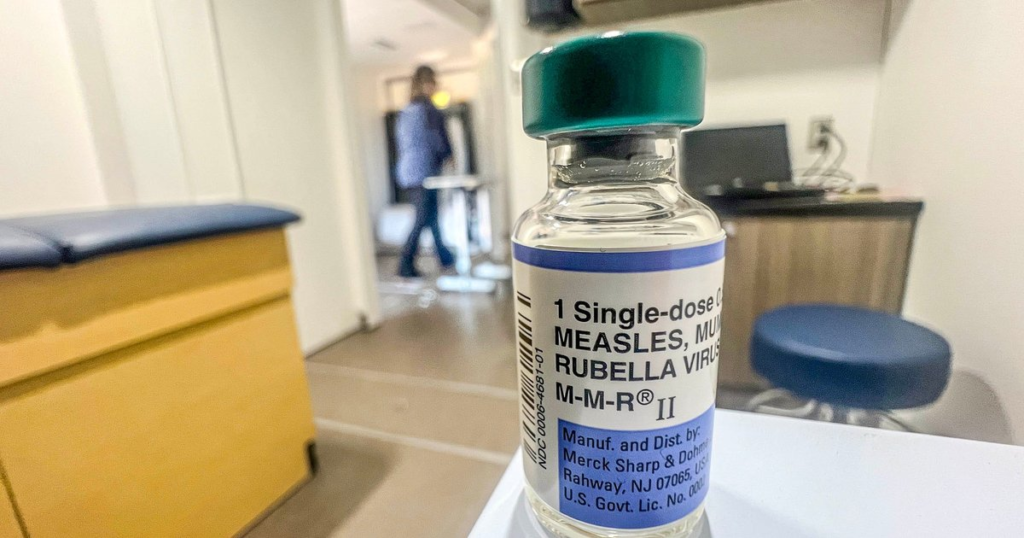
Public health researchers say the current measles resurgence warning reflects deeper challenges in global immunization systems.
Falling Vaccination Rates
Health authorities have observed declining vaccination coverage in several countries over the past few years. Consequently, herd immunity levels have weakened.
According to the Centers for Disease Control and Prevention, measles vaccination rates must remain above 95% to prevent community spread. However, many regions are now falling below that threshold.
Because of this drop, outbreaks have started appearing again in communities that were previously protected.
Why Measles Spreads So Easily
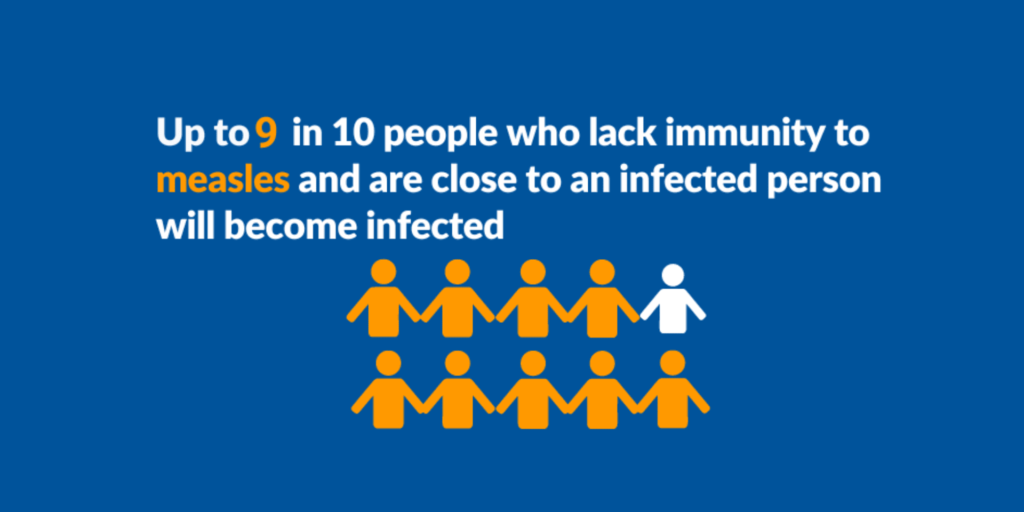
Measles is extremely contagious. A single infected person can spread the virus to nine out of ten unvaccinated people nearby.
Therefore, scientists say the measles resurgence warning should not be ignored. Small outbreaks can grow rapidly if vaccination gaps continue to widen.
New Flu Variant Subclade K Adds Concern

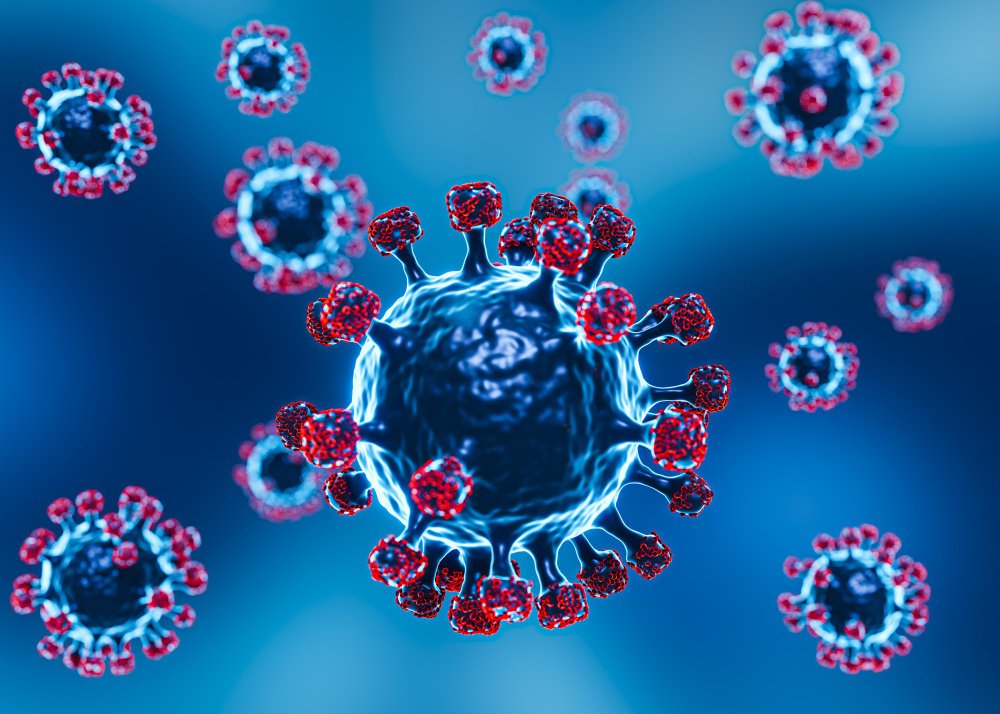
While health officials track measles outbreaks, researchers are also monitoring a new influenza variant known as subclade K.
Scientists at the Centers for Disease Control and Prevention say the variant emerged during the current flu season and is now spreading in parts of the United States.
What Scientists Know About Subclade K
Early research suggests several key points:
- Subclade K is part of the H1N1 influenza virus family
- It has spread quickly during the 2025–2026 flu season
- Current vaccines still offer some protection
However, researchers continue studying how the variant behaves and whether future vaccine updates may be required.
Pandemic Experts See a Larger Pattern
Pandemic researchers say the measles resurgence warning reflects broader global pandemic preparedness challenges that governments are now studying more closely.
These factors create ideal conditions for infectious diseases to return.
Expert Warning
Dr. Michael Mina, an epidemiologist who studies infectious disease outbreaks, explained the broader risk.
“When vaccination coverage drops, diseases that we once controlled can come back quickly,” Mina said, warning that weakening immunity in populations could increase the risk of future pandemics.
Because measles spreads so easily, scientists often view outbreaks as a signal that public health defenses are weakening.
The Numbers Behind the Measles Resurgence Warning
The latest measles resurgence warning becomes clearer when examining global health statistics.
Global Measles Trends
According to international health data:
- Millions of children missed routine vaccinations during the COVID-19 pandemic
- Measles cases increased in multiple regions in 2024 and 2025
- Several countries have already reported major outbreaks
Health experts say these trends could accelerate if immunization campaigns do not recover quickly.
Furthermore, measles outbreaks often act as an early indicator of broader vulnerabilities in disease prevention systems.
Economic and Public Health Implications
Although measles and flu are primarily health issues, they also carry major economic consequences.
Outbreaks can disrupt:
- workforce productivity
- school systems
- healthcare infrastructure
- travel and tourism
During the COVID-19 pandemic, global economies lost trillions of dollars due to widespread shutdowns and healthcare costs.
Therefore, scientists say the measles resurgence warning should be treated as a serious early signal rather than a minor public health issue.
Public health crises can also trigger global economic disruption risks, similar to how geopolitical tensions affect energy markets.
Why Vaccination Still Matters

Vaccines remain the most effective defense against both measles and influenza.
Public health experts emphasize that maintaining high immunization rates prevents outbreaks before they begin.
Key Benefits of Vaccination
- Prevents severe illness and death
- Protects vulnerable populations
- Maintains herd immunity
- Reduces healthcare system pressure
Because measles spreads so easily, even small improvements in vaccination coverage can dramatically reduce outbreaks.
What Health Authorities Are Doing Next
Health agencies are now increasing monitoring and vaccination campaigns.
The Centers for Disease Control and Prevention and global partners are:
- tracking measles outbreaks closely
- studying the spread of subclade K flu
- promoting updated vaccination campaigns
- strengthening disease surveillance systems
These efforts aim to prevent small outbreaks from evolving into large-scale epidemics.
FAQs: Measles Resurgence and Flu Variant
Why is measles resurging globally?
The measles resurgence warning is linked to declining vaccination rates in several countries. When vaccination coverage falls below herd immunity levels, the virus spreads quickly.
What is flu subclade K?
Flu subclade K is a variant of the H1N1 influenza virus identified during the 2025–2026 flu season. Scientists are studying how it spreads and how effective current vaccines are against it.
Is measles dangerous for adults?
Yes. Measles can cause severe complications in adults, including pneumonia and brain inflammation, especially in people who are not vaccinated.
Can vaccines still prevent measles outbreaks?
Yes. The measles vaccine is about 97% effective when two doses are administered. High vaccination rates can stop outbreaks entirely.
The Road Ahead for Global Health
The current measles resurgence warning and the emergence of flu variants like subclade K highlight the fragile balance of global disease prevention.
Scientists say maintaining strong vaccination systems will be essential to preventing future pandemics.
As public health systems adapt to new threats, the decisions governments and communities make today could determine whether the next global outbreak is prevented—or becomes the next major pandemic.