


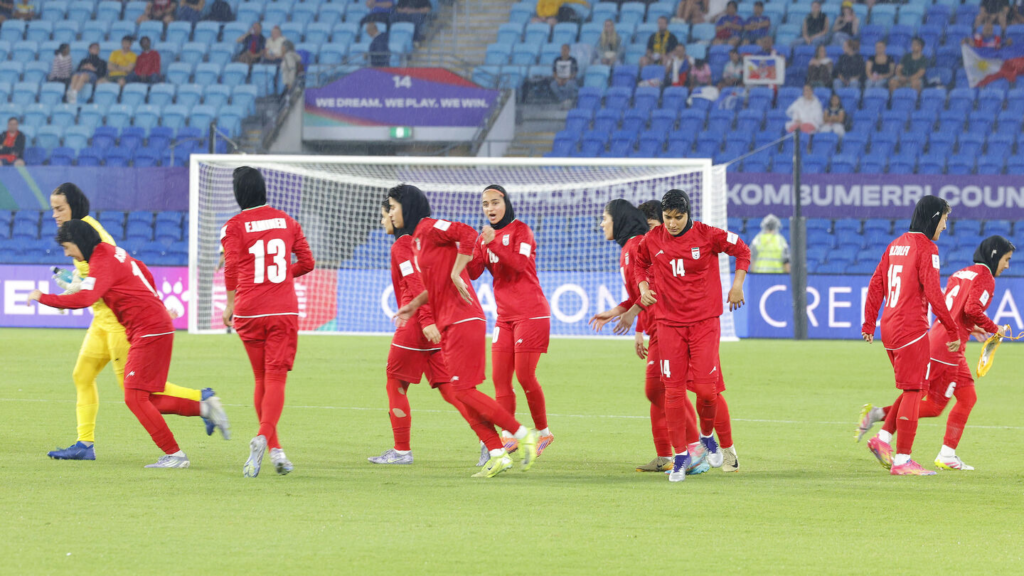
MELBOURNE, Australia, March 15, 2026 — According to BBC, and wider coverage around the 2026 AFC Women’s Asian Cup, three more members of Iran women football asylum delegation have chosen to leave Australia after first accepting humanitarian protection, leaving only three of the original seven visa recipients still in the country.
Iran women football asylum case changes again
The Iran women football asylum story has taken another turn. Australia’s Home Affairs Minister Tony Burke said three more members of the Iranian delegation decided to rejoin the team’s journey out of Australia after initially accepting humanitarian visas. As a result, only three of the original seven remain in Australia.
That reversal matters because this case quickly became one of the most closely watched stories of the tournament. It also shows how fragile asylum decisions can be when athletes face political pressure, family concerns and public scrutiny at the same time.
What happened to the Iranian delegation?
Earlier in the week, six players and one support staff member from Iran’s delegation accepted humanitarian visas in Australia. Those decisions came after fears grew about possible consequences if they returned home, especially after members of the team did not sing Iran’s national anthem before a Women’s Asian Cup match.
Reuters reported that one of the returnees had previously planned to stay, but later changed course. That detail underlines how unstable the Iran women football asylum case has become, with decisions shifting in real time under emotional and political strain.
Why the anthem moment mattered
The refusal by some players to sing the anthem became a major flashpoint. It drew backlash and deepened concern about the team’s safety. Soon after, players’ welfare became a public issue in Australia, with activists and members of the Iranian-Australian community urging authorities to protect them.
Australia says the players were given repeated chances to stay
Australian officials have said the players were repeatedly informed of their options. Burke said the government made sure those involved had opportunities to review their decisions carefully, while acknowledging that authorities could not change the difficult context around them.
That point is central to the Iran women football asylum story. This is not only a visa issue. It is also about the emotional cost of exile, fear of reprisals, and the weight of separation from family and country.
Iranian media framed the departures as a political victory

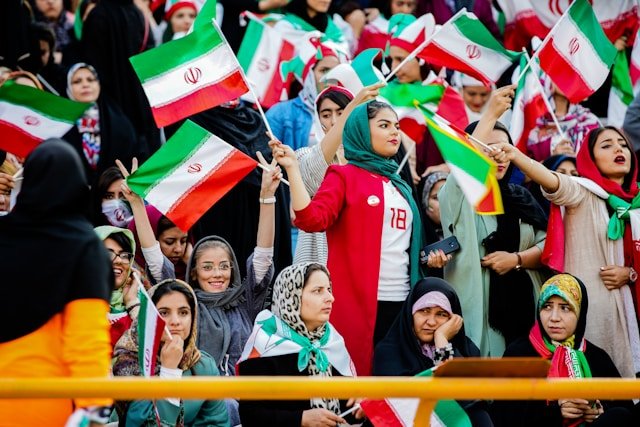
State-linked Iranian media moved quickly to shape the narrative. AP reported that Tasnim News Agency described the returning members as going back to the “warm embrace” of family and homeland, while also presenting the episode as a failure for Western governments.
Therefore, the Iran women football asylum issue now sits well beyond football. It has become part of a wider political messaging battle involving state media, diaspora voices and international scrutiny.
Expert voice from inside the team
Reuters reported that she said television comments and the wider environment had created a difficult atmosphere for the squad and had “affected our players psychologically.”
– Coach Marziyeh Jafari
That quote is important because it adds direct, expert testimony from inside the camp. It suggests the Iran women football asylum story was shaped not just by legal considerations, but also by mental stress, uncertainty and intense public pressure.
Statistics and context behind the Iran women football asylum story
Iran entered the 2026 AFC Women’s Asian Cup for only its second appearance at the finals after first debuting in 2022. The Asian Football Confederation had highlighted the team’s return to the tournament as another historic step for the program.
From that delegation, seven members initially accepted humanitarian visas in Australia. Now only three remain. In simple terms, more than half of the original visa group has since reversed course, showing how quickly such decisions can change under pressure.
The wider regional backdrop also added urgency. Reuters reported that Iran’s tournament campaign unfolded while military conflict involving Iran was escalating, leaving players worried about families back home and placing their football campaign inside a far larger national crisis.
Why this matters for football governance
From a governance perspective, the Iran women football asylum case raises hard questions for football bodies and tournament organizers. International competitions are designed to showcase sport. Yet they can also expose athletes from politically sensitive environments to exceptional risk.
As a result, this case may become a reference point for future tournaments. Federations, organizers and players’ representatives could face growing pressure to create more formal crisis protocols, stronger safeguarding policies and better mental health support for athletes caught in geopolitical disputes. This is where the Iran women football asylum case may carry consequences far beyond this single tournament.
What comes next?
For now, the immediate picture is clear. Three members of Iran’s delegation remain in Australia, while four of the original seven humanitarian visa recipients have now chosen to leave.
However, the story is not over. The next phase will depend on whether those who stayed secure longer-term protection and whether football authorities respond with stronger player-safety measures. The Iran women football asylum case may yet shape how future international tournaments prepare for crises that extend far beyond the game.
Frequently Asked Questions
What is the Iran women football asylum case?
The Iran women football asylum case refers to the decision by members of Iran’s women’s football delegation at the 2026 AFC Women’s Asian Cup in Australia to seek humanitarian protection after fears about returning home. Seven initially accepted humanitarian visas, and three remain in Australia as of March 15, 2026.
How many Iranian team members are still in Australia?
Three of the original seven humanitarian visa recipients are still in Australia.
Why did some Iranian players seek protection?
Reports say fears grew after members of the team did not sing the Iranian national anthem and faced scrutiny, while the wider conflict affecting Iran also increased anxiety about returning home.
Why did some players later decide to leave Australia?
Australian officials said those involved were given repeated opportunities to stay, but the case unfolded under strong personal, emotional and political pressure.
Why is this case important for world football?
It matters because it sits at the intersection of sport, migration, politics and athlete welfare. It may influence how future tournaments protect players facing off-field risk