


The primary purpose of this content is to educate readers about the challenges involved in cryptocurrency mining and how decentralized finance (DeFi) solutions like Defi Way can help address some of those challenges.
Cryptocurrency mining has become an increasingly popular way for tech-savvy individuals to earn an income in recent years. However, it also comes with a unique set of challenges that miners must overcome to be successful. In this post, we’ll take a closer look at cryptocurrency mining, some of the key challenges miners face, and how decentralized finance (DeFi) solutions like Defi Way could help alleviate some of these issues.
Cryptocurrency Mining Process
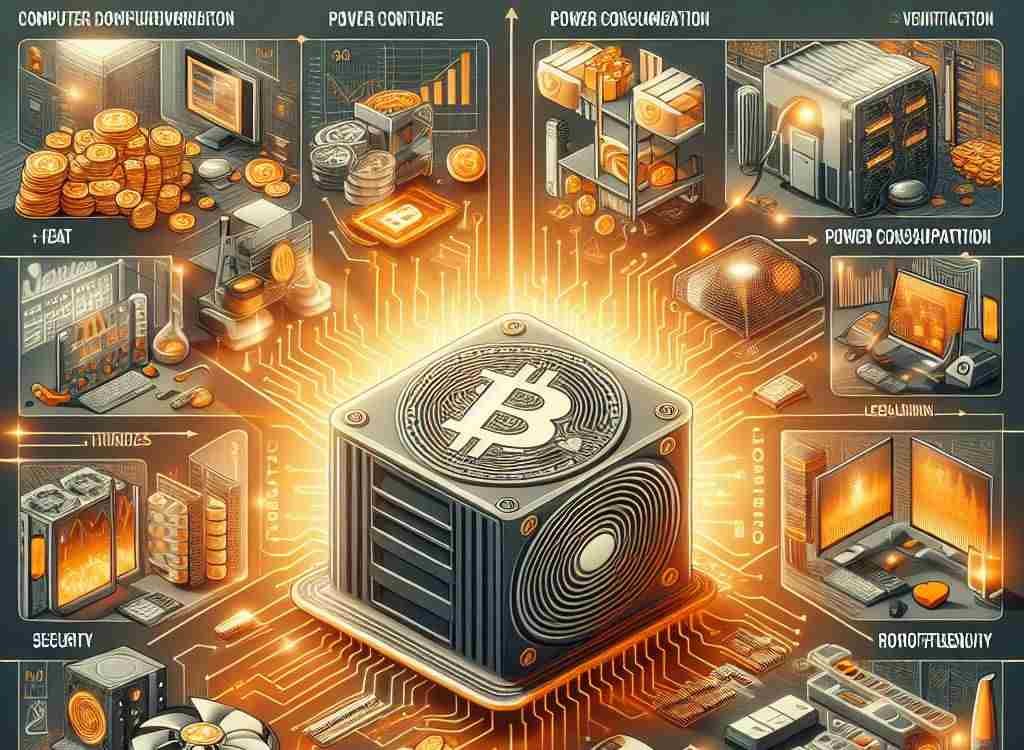
- Mining involves using specialized computer hardware and software to verify and add new transactions to a blockchain network.
- Miners who successfully verify block transactions are rewarded with newly minted cryptocurrency tokens.
The specialized equipment for mining cryptocurrencies like Bitcoin and Ethereum is called an ASIC miner, designed to solve complex computational puzzles required for mining much faster than regular computer hardware.
Challenges of Cryptocurrency Mining
- High Equipment Costs: ASIC miners and other specialized mining rigs can cost from a few hundred to tens of thousands of dollars, posing a significant barrier to entry for individual miners.
- High Electricity Usage: Mining rigs require a lot of electricity to operate 24/7, and the costs of powering the equipment can outweigh mining profits, making it no longer viable, especially for individual hobbyist miners.
- Centralization Concerns: The high costs of mining equipment and electricity have led to increasing centralization and control of mining power in the hands of a few large mining companies and groups, going against the decentralized ethos of cryptocurrency networks.
- Payment Processing Issues: Getting paid for verified mining work can be challenging for individual miners, as traditional payment platforms and banks are still hesitant about directly supporting the cryptocurrency industry, leading to slow, expensive, or unreliable payouts that undermine mining profitability.
How DeFi Solutions Like Defi Way Can Help
- DeFi (Decentralized Finance) platforms like Defi Way offer solutions to some core challenges facing cryptocurrency miners.
- Defi Way allows users to quickly request payments from anyone via a unique link, with payers securely completing payments using any cryptocurrency, avoiding delays, costs, and uncertainties of traditional cross-border/cryptocurrency payment options.
- The Defi Way platform is built on decentralized blockchain technology, facilitating payments via smart contracts in a transparent, censorship-resistant manner without centralized intermediaries, aligning with the ethos and technical architecture of the cryptocurrency networks that miners contribute to.
- DeFi innovations in areas like decentralized lending also allow miners more access to capital/liquidity to invest in equipment upfront, lowering the barriers to entry for individual hobbyist miners.
The Future of Cryptocurrency Mining
- Cryptocurrency mining remains an evolving space with many challenges still to overcome.
- The innovation happening in the decentralized finance sector could provide much-needed solutions that benefit the entire crypto-mining industry.
- By offering more straightforward payment collection, platforms like Defi Way can increase miners’ earning potential regardless of their size and resources, allowing for more significant reinvestment that can further support decentralized blockchain networks.
- As cryptocurrency and blockchain adoption continue rising, further innovation in the DeFi space is expected to unlock new opportunities in crypto mining, shaping the future of mining reward systems for the better.
- Miners and enthusiasts should keep an eye on the accelerating trend at the intersection of decentralized technology and finance, as solutions like those created by Defi Way provide an intriguing glimpse of how DeFi and intelligent contracts may shape the future of mining reward systems.
Real Examples

- Equipment Costs Example: John, an individual miner from California, invested over $12,000 in building a high-end mining rig with multiple ASIC miners to mine Bitcoin. While the initial investment was substantial, the rig earned him a steady income stream from mining rewards.
- Electricity Usage Example: Sarah, a hobbyist miner from Texas, struggled with the high electricity costs of running her Ethereum mining rig 24/7. After factoring in her monthly electricity bills, she realized that her mining profits needed to be fixed even, making the endeavor less viable for her as an individual miner.
- Centralization Concerns Example: In China, a few large mining pools and companies have gained control over a significant portion of the Bitcoin network’s hash rate. This centralization of mining power has raised concerns among some cryptocurrency enthusiasts who believe it goes against the decentralized principles of blockchain technology.
- Payment Processing Issues Example: Alex, a small-scale miner from Canada, faced difficulties in receiving payments for his mining contributions. Traditional payment platforms and banks hesitated to process cryptocurrency transactions, leading to delays and additional fees that cut his mining profits.
- Defi Payment Solution Example: Mike, a miner from the UK, started using Defi Way to receive payments for his mining work. The platform’s unique link system allowed him to request payments from mining pool operators securely and efficiently using various cryptocurrencies without the hassles of traditional payment methods.
- DeFi Lending Example: Sarah, the hobbyist miner from Texas mentioned earlier, explored DeFi lending platforms to secure a loan to upgrade her mining rig. Using her existing cryptocurrency holdings as collateral, she could access the capital needed to invest in more efficient mining equipment, potentially increasing her profitability.
By incorporating real-world scenarios and examples, the content becomes more tangible and relatable for readers considering or already involved in cryptocurrency mining. These examples help illustrate the practical challenges and potential solutions in a more accessible and engaging way.
FAQs
What exactly is cryptocurrency mining, and what are the mechanics behind it?
- Cryptocurrency mining involves using specialized computer hardware and software to verify and add new transactions to a blockchain network. Miners who successfully verify block transactions are rewarded with newly minted cryptocurrency tokens. The specialized equipment for mining cryptocurrencies like Bitcoin and Ethereum is called an ASIC miner, designed to solve complex computational puzzles required for mining much faster than regular computer hardware.
What are some of the significant challenges faced by cryptocurrency miners?
- Some key challenges faced by cryptocurrency miners include high equipment costs (ASIC miners can cost thousands of dollars), high electricity usage (mining rigs require a lot of power to operate 24/7), centralization concerns (mining power is increasingly controlled by a few significant companies/groups), and payment processing issues (traditional payment platforms are hesitant to support the cryptocurrency industry, leading to delays and high fees).
How can DeFi solutions like Defi Way help address these challenges?
- DeFi (Decentralized Finance) platforms like Defi Way offer solutions to some of cryptocurrency miners’ core challenges. Defi Way allows users to request payments from anyone via a unique link, with payers securely completing payments using any cryptocurrency. This avoids the delays, costs, and uncertainties of traditional payment methods. Additionally, Defi Way is built on decentralized blockchain technology, facilitating payments via intelligent contracts without centralized intermediaries and aligning with the ethos of cryptocurrency networks.
Can DeFi solutions help individual or hobbyist miners?
- DeFi innovations in areas like decentralized lending could allow individual or hobbyist miners more access to capital/liquidity to invest in mining equipment upfront. This can lower the barriers to entry for smaller miners who might otherwise be priced out due to the high costs of specialized mining rigs.
What role might DeFi play in the future of cryptocurrency mining?
- As cryptocurrency and blockchain adoption continues to rise, further innovation in the DeFi space is expected to unlock new opportunities in crypto mining. By offering more straightforward payment collection, platforms like Defi Way can increase miners’ earning potential regardless of their size and resources, allowing for more significant reinvestment that can further support decentralized blockchain networks. DeFi and intelligent contracts will likely shape the future of mining reward systems for the better.